The aisle rug ideas below run from a simple jute scatter you can buy outright to matched vintage orientals that need rental house booking months ahead.
What settles the choice is not budget alone but whether your ceremony happens indoors on carpet or stone, or outdoors where dew, wind, and soft soil change what flat means; the sections on materials and practical considerations get into that further down.
1. Ceremony Aisle Runner
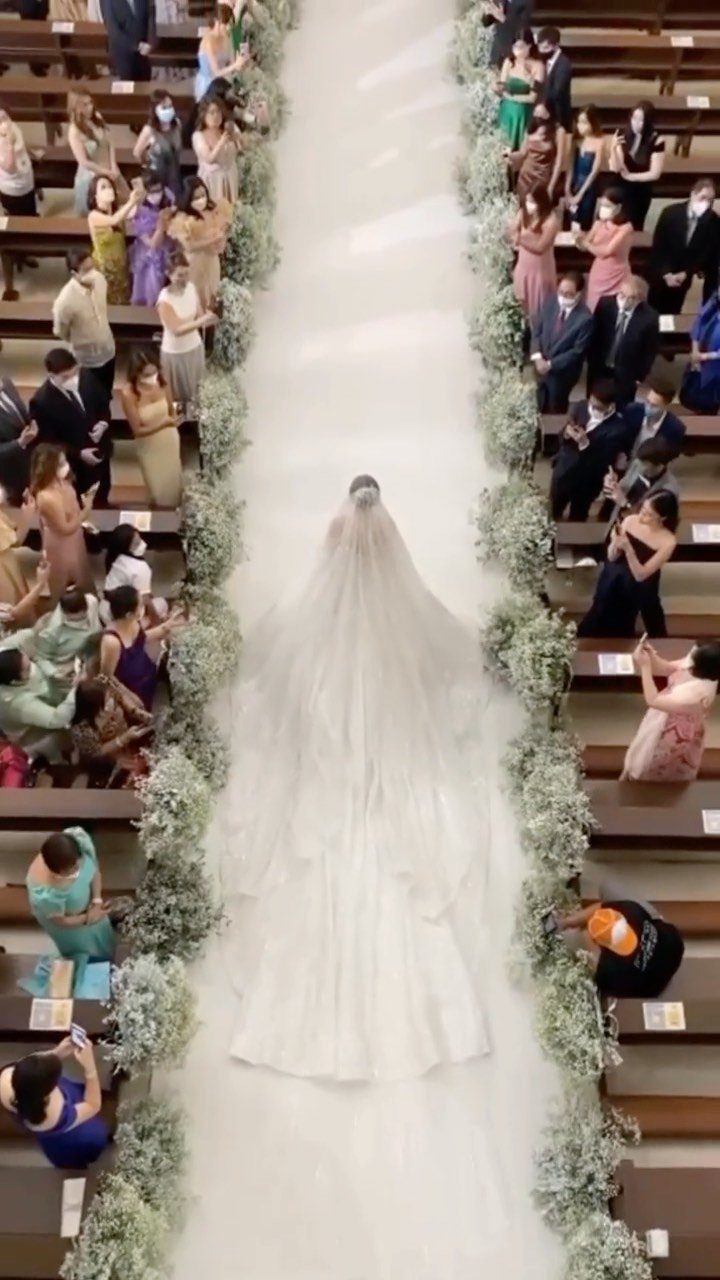
A plain white runner still does the work it was invented for, centuries back: it keeps the bride’s hem off whatever guests tracked in.
These days I look at it more for the clean sightline it makes, especially in a church with busy floors or in grass where heels sink.
The standard runner stays flat with pins or tape and a border of greenery or flowers.
For an outdoor ceremony, the runner itself becomes the path guests and the wedding party follow to their places; for an indoor one, it turns a carpeted or stone floor into a deliberate stage for the procession and the photographs after.
I would budget for grip tape underneath and someone to roll it out shortly before the ceremony, not the night before when dew or wind can interfere.

Rug measures 22 x 60" (approximately 0.5" thick), made of durable 100% Jute, a shiny vegetable fiber spun into coarse threads.

Modern geometric rug in classic ivory and silver grey
2. Layered Rugs Aisle
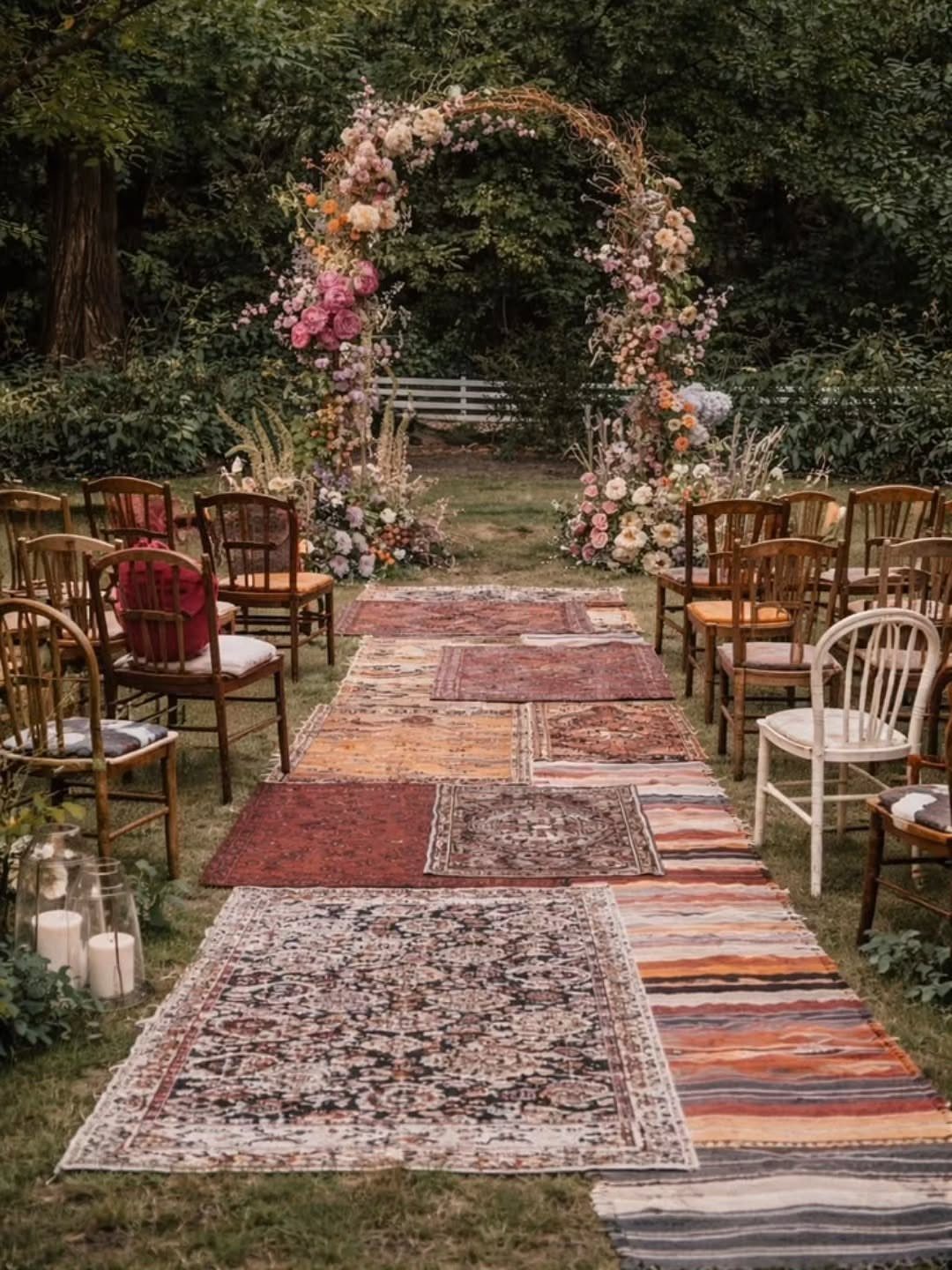
Overlapping rugs of different sizes and patterns make an aisle that looks gathered rather than rented. Mismatched wooden chairs and a grass setting suit the layered idea; a formal hall would fight it.
Before trying this, check that the ground is level enough for edges to lie flat and that you have enough rugs to cover the full distance with overlap.
The visible setup uses no visible tape, which means weight or friction alone holds them, something to test on your surface if you are outdoors.
I like this for a small wedding where the aisle stays short and the casualness reads as intentional.

⭐【PERFECTLY SIZE】:Our striped rugs thanks to the 27.5 x 43 inches ideal size . This washable black and white stripe rug is resistant to outdoor elements; Keeps its vibrant color, and is extremely durable.

[Stylish Design]:Classic black & beige striped pattern, simple and fashionable, easily matches various home decor styles. Suitable for all seasons, adding unique charm and a timeless decorative effect to any space.

MODERN GEOMETRIC DESIGN: The Nicole Miller New York Patio Country Danica rug collection from Nicole Miller New York features a modern Bohemian-inspired geometric design for the three-season spaces in your home.
3. Vintage Rugs
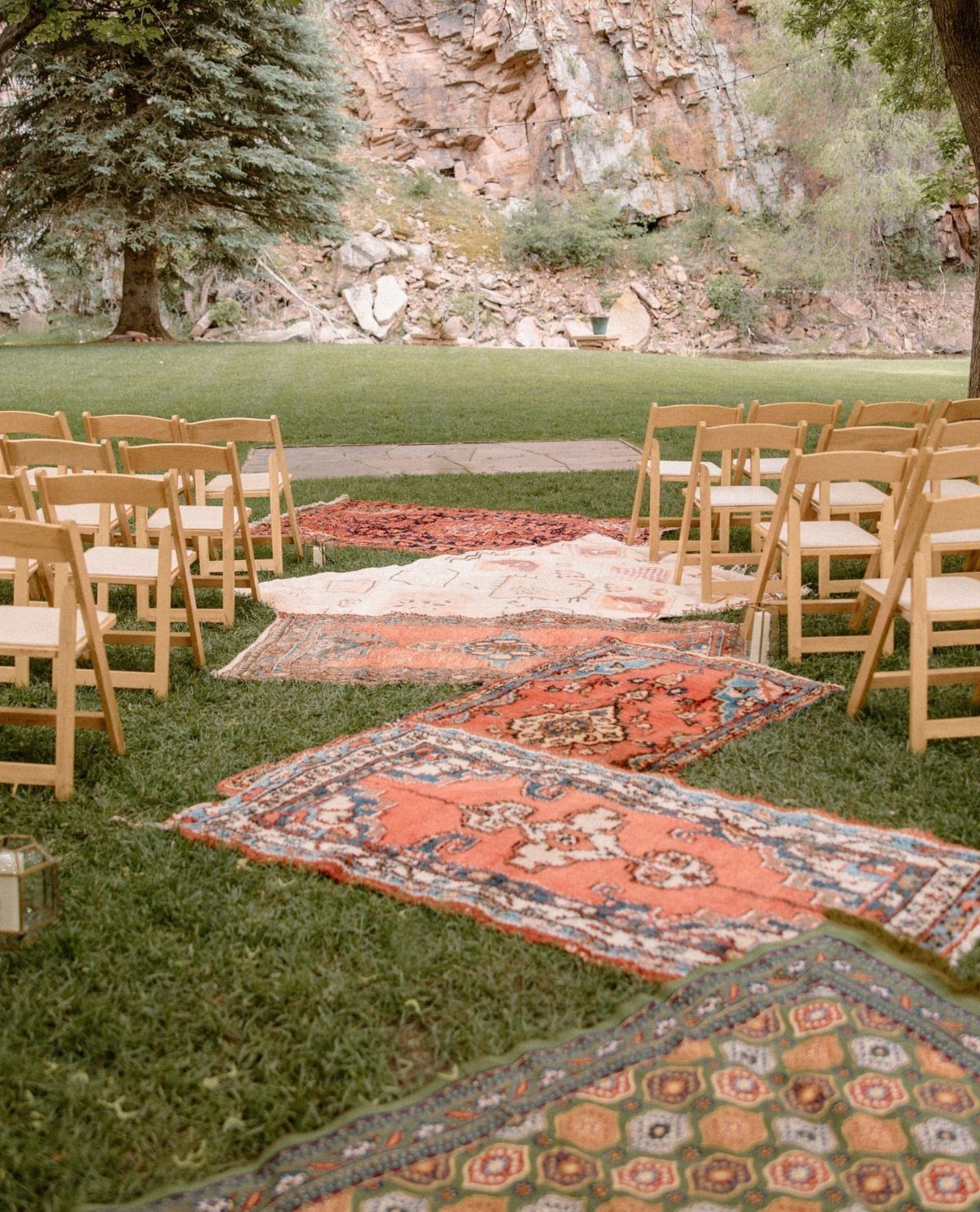
A worn Persian or kilim in the center, surrounded by simpler ground cover, brings something that already has history into a ceremony about starting something new.
Several vintage pieces laid together on grass, with a stone altar as the focal point; the rugs do not match, which is the point.
What makes this workable is the balance.
One strong piece surrounded by neutrals holds attention without clutter. Used as a central accent, a vintage rug also gives guests seated on either side something textured to look at during a long reading.
Sourcing takes work: estate sales, rug dealers, and rental houses that carry actual old stock take longer than ordering new.
I would start looking well ahead and budget for cleaning, which rental houses sometimes include and private sellers almost never do.
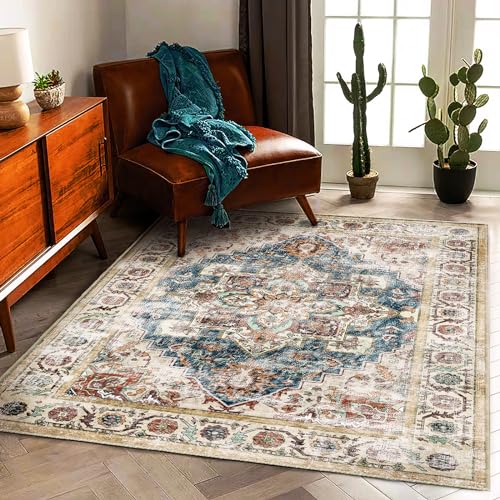
Soft Designed: This CHAMPLANT area rugs has a trendy faded style and a unique floral pattern, vintage tones blend perfectly with your home. This rug is made of high-quality faux wool fibers; Easy on the feet-soft as cotton balls; stain-resistant and non-shedding

Spill-Proof & Machine Washable: This 4x6 living room area rug is made from machine-washable materials, easy to clean. No more worrying about stubborn stains. Just take it in the wash to keep your space fresh and inviting with minimal effort

Designer Aesthetic: The stylish pieces from the Layla collection blend traditional, vintage and modern design. The Layla collection mixes vintage, traditional, Moroccan, boho, Persian, distressed, and vintage styles, with fresh modern materials and colors
4. Circular Altar Rug Setup
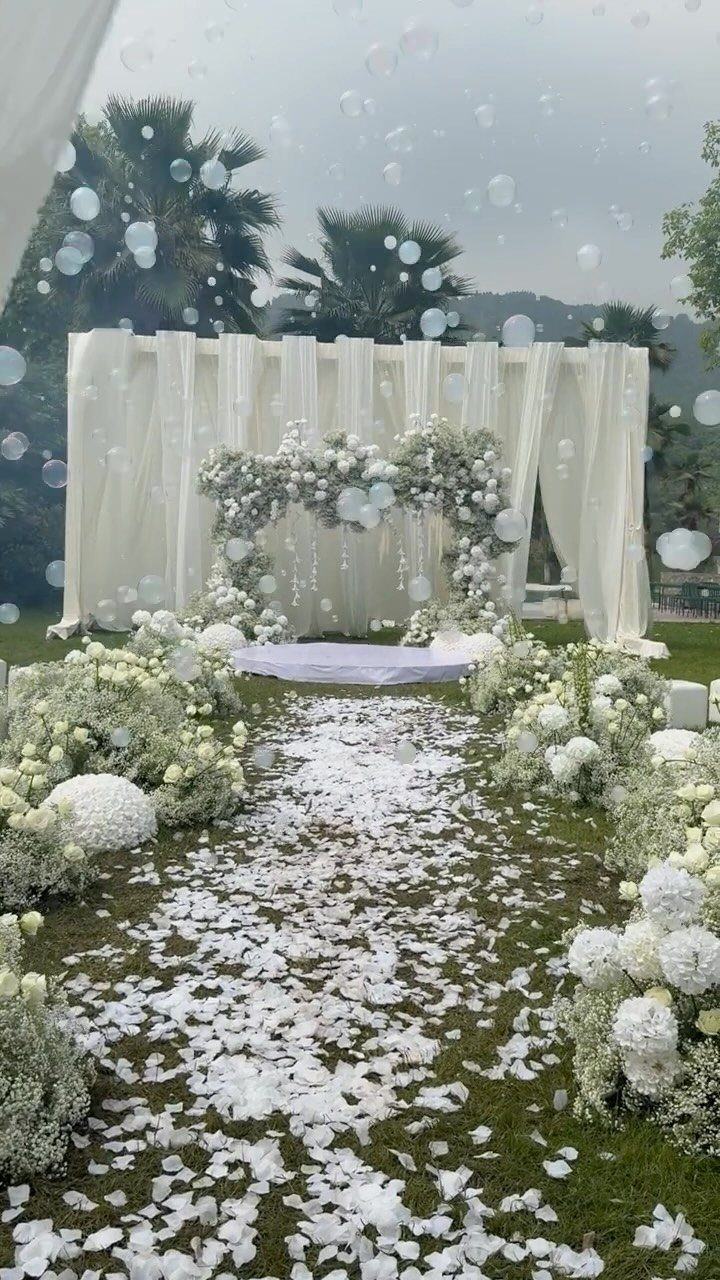
White petals on grass lead to a single circular white rug under a floral arch, marking where the couple stands rather than the path they walk.
The round shape changes the geometry of the ceremony; guests seated in a semicircle or on both sides focus inward, and the couple faces each other without the long runway feeling of a traditional aisle.
The visible setup uses petals for the approach and the rug for the destination, which keeps cost down: one small circle replaces a long runner.
Check that the platform or rug is large enough for the couple in formal clothes to stand comfortably with an officiant between or beside them, and that it is weighted or pegged if wind is possible.
I would use this for a small ceremony where intimacy matters more than procession drama.

NON SLIP AND CURLING: Unstable sliding carpets create household hazards. ZONGOOL rug tape stabilizes rugs and prevents corner curling. Compatible with all rug shapes for indoor and outdoor use, it holds carpets firmly in position and reduces common shifting and curling issues
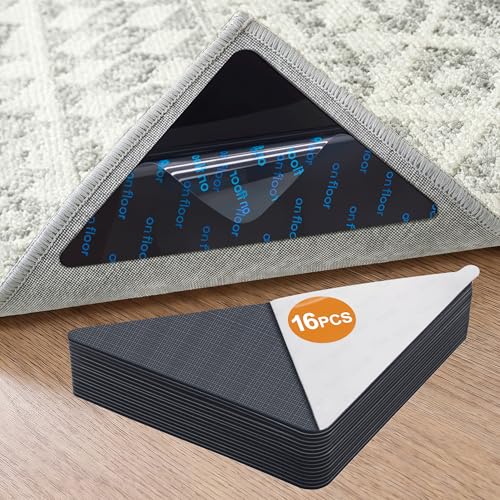
Advantaged Triangle and Innovative Grid Design: The Triangle Design grippers for area rugs and hardwood floors will maximum increase the contact surface. The strong adhesion will help stick firmly and keep your area rugs in place. Unlike traditional full-glue carpets, our grid adhesive provides strong grip while allowing airflow, ensuring no residue is left on your floors

Unique Design: Do you still worry about the traditional glue rug tape harm your floor ? This gripper uses VACUUM TECH design which grips hard smooth floors firmly and easily, this design can protect your floor perfectly as no glue used on floor. But it does not work for rug on carpeted floor. It does not work for rubber backed rug ,jute rug or fluff backing rug.
5. End to End Oriental Rugs
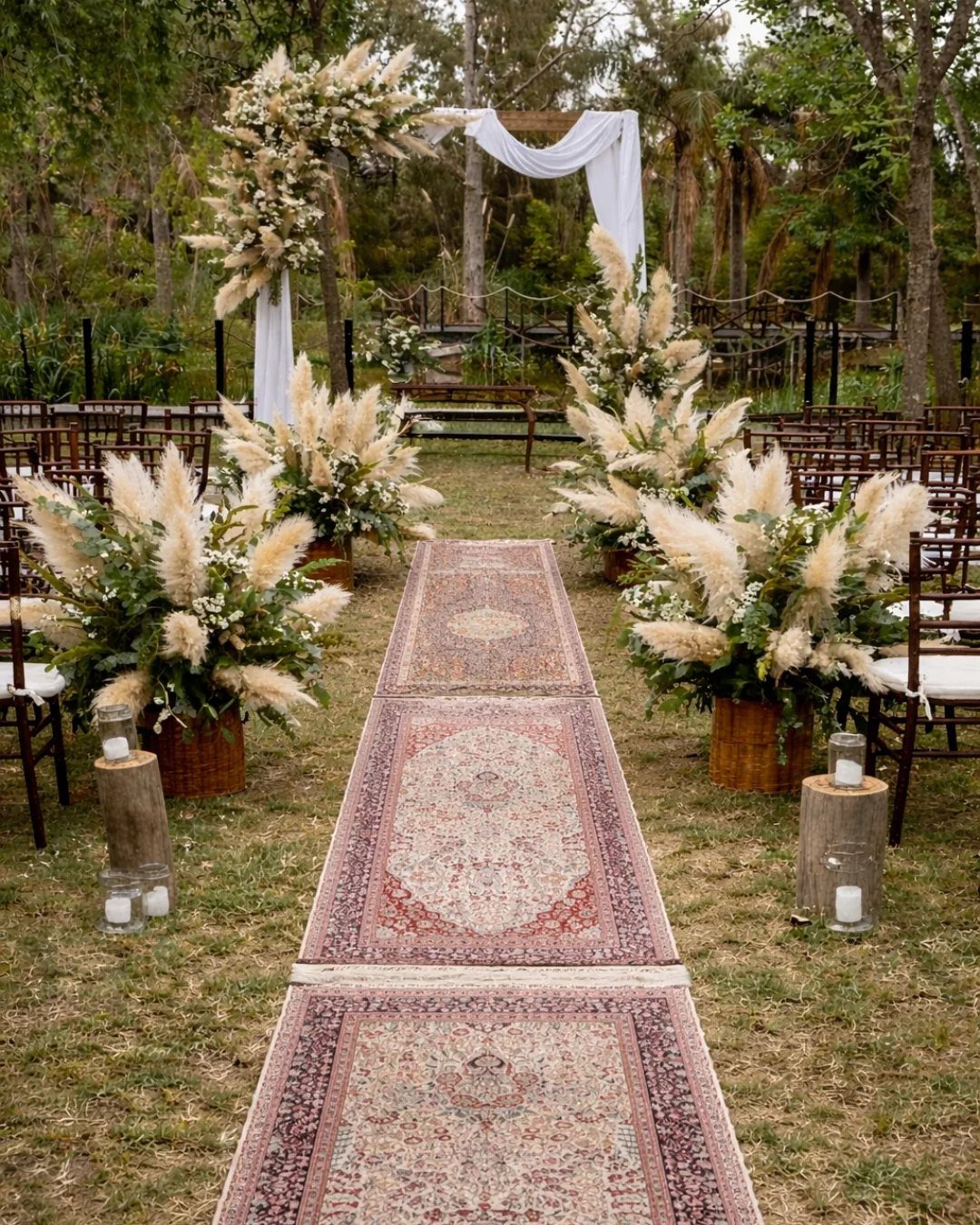
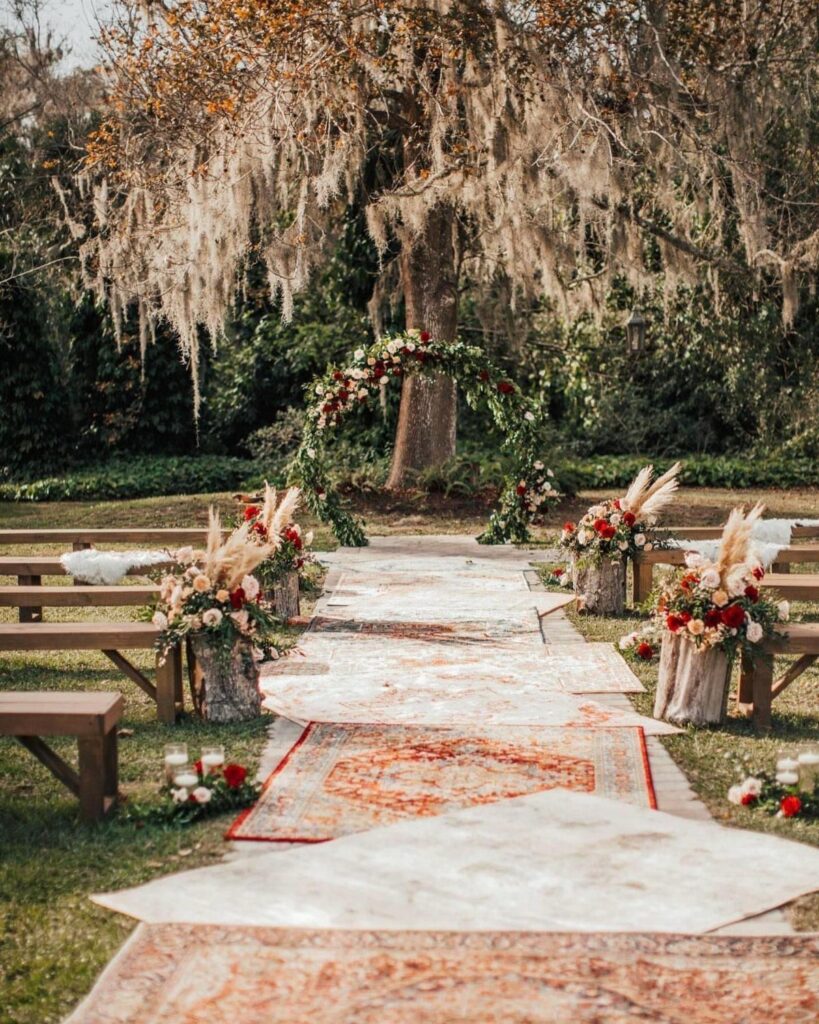
Oriental rugs laid end to end make a single long surface with repeating borders and medallions. On grass, flanked by pampas grass in pots and wooden chairs, which suits the rug formality with something looser around it.
What to decide before trying this: whether the rugs are identical or coordinated, and how they join.
End-to-end placement works if the rugs share a palette or pattern scale; mixing a fine Isfahan with a coarse tribal piece would jar. The visible setup uses matching scale and related colors.
Check the count. A long aisle needs more rugs than most couples own or can borrow; rental houses that carry multiples exist, but they book early for fall wedding season.
I would measure the exact distance and confirm availability before setting the ceremony layout.

CONTENTS: One (1) COTTON CRAFT Classic Braided Jute Handwoven Reversible Area Rug in a Labyrinth Racetrack Pattern. It measures 22 inches X 34 inches. The height of the rug is approximately 0.25 inches. Color - Natural.

[COLOR & DESIGN]: SAFAVIEH's Natural Fiber area rug showcases a chunky, hand-woven looped texture in natural tones; actual color may appear darker or lighter than shown, depending on lighting and screen settings.
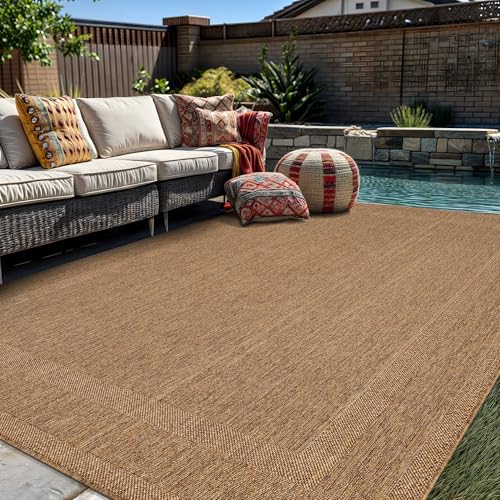
100% Polypropylene, Machine Made Construction – Crafted from durable polypropylene fibers, this indoor outdoor rug offers dependable performance with a natural jute look outdoor rug appearance suitable for patios, porches, decks, balconies, entryways, and indoor living spaces.
6. Single Red Oriental Rug
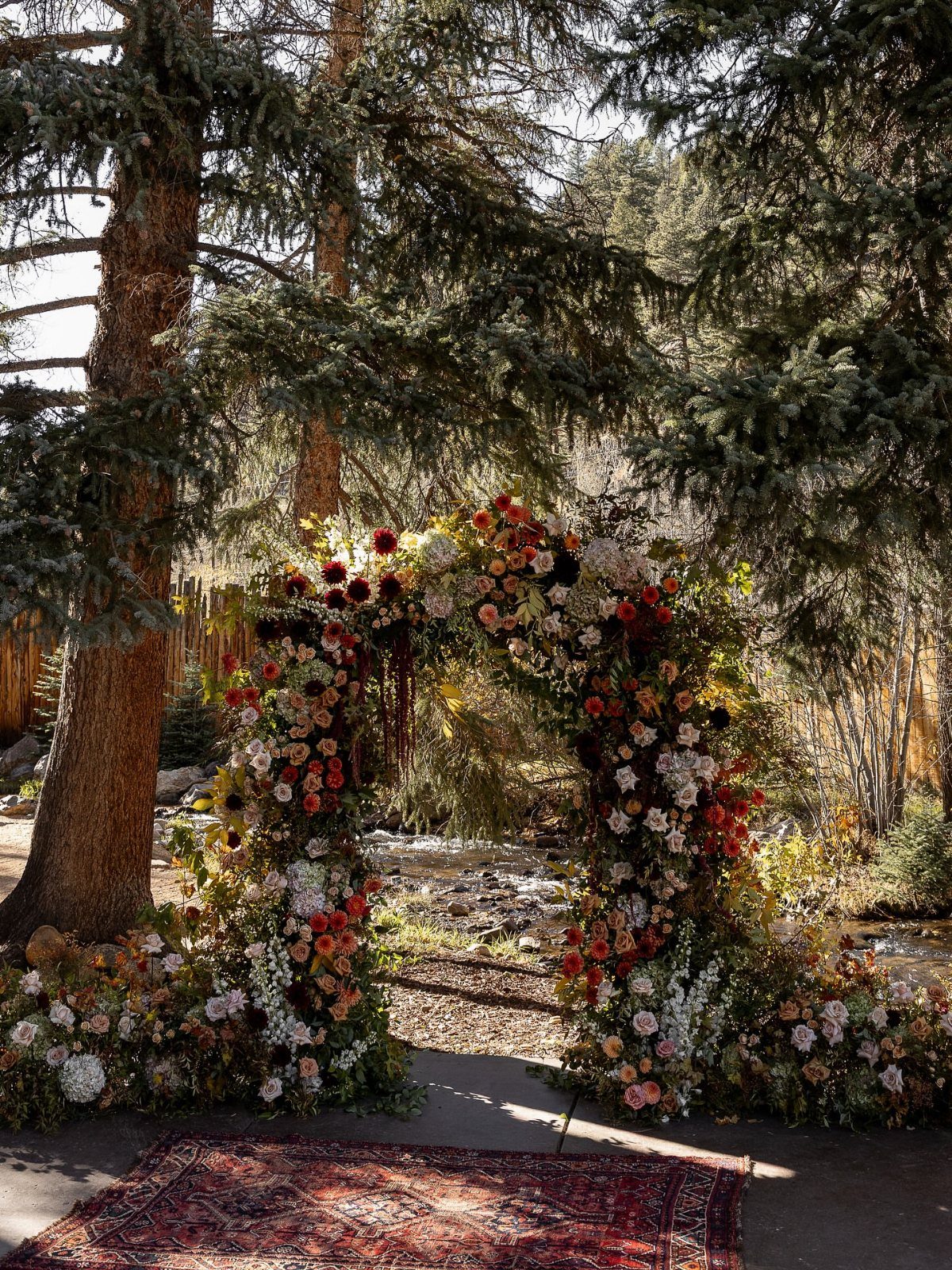
One red oriental rug, placed where the ceremony happens rather than along the approach, makes a vivid focal point against green grass and flowers.
In front of a large floral arch, with no runner leading up; the bride walks on grass or whatever surface exists, and the rug marks the moment itself.
The choice here is placement.
A single rug under the arch concentrates color and cost in one spot. The red reads as deliberate and celebratory, not accidental, which matters because a small oriental in the wrong color can look like something borrowed from a hallway.
I would check the rug dimensions against the arch width and the wedding party size.
A couple in a full gown and suit needs enough room to stand without crowding the edges, which turns a standard scatter size into something that must be sourced specifically.

Nicole Miller New York Patio Country Ombre Geo Indoor Outdoor Area

BOHEMIAN INSPIRED: The Nicole Miller New York Patio Country Julia rug collection from Home Dynamix features a gorgeous geometric design for the multi season spaces in your home.

Premium Material: Made of high-quality breathable material (soft to bare feet) with non-slip dot plastic backing for strong grip—prevents sliding on wet floors. All sides have double-line stitching to avoid fraying.
7. Woven Jute Aisle Rugs
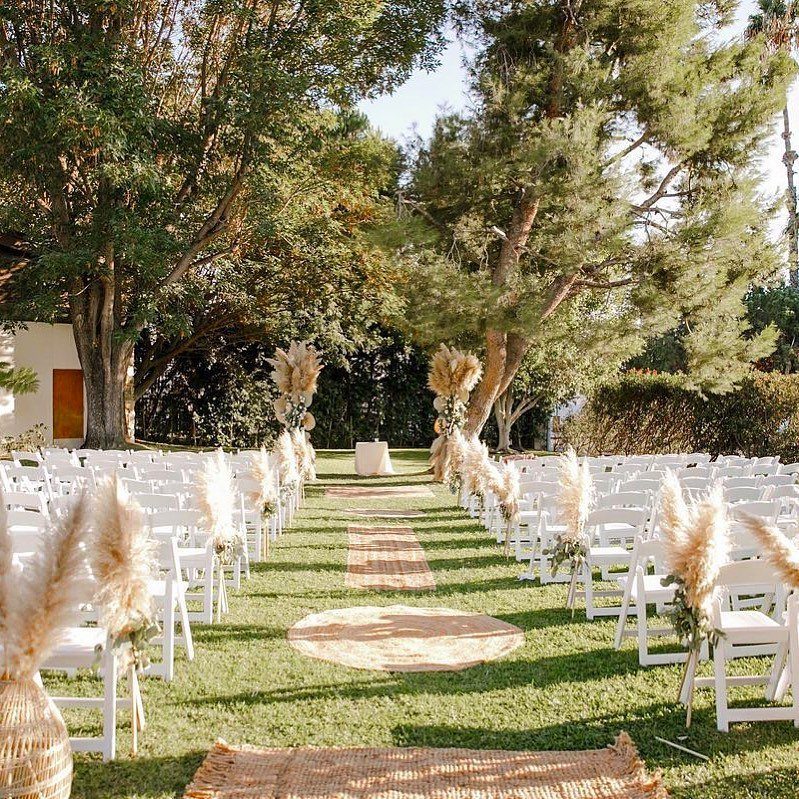
Several woven jute rugs spaced along the aisle give grass ceremonies a texture that reads as collected, not staged. The natural fiber and the gaps between pieces suit outdoor light and uneven ground better than one continuous runner would.
Check the spacing. Each rug needs to lie flat on its own; string or twine between them marks the path without requiring perfect leveling.
I would budget for extra rugs rather than stretching the gaps too wide, since guests seated close together will notice bare grass between the weave.
Pampas or dried grass nearby extends the natural palette without competing. This is the version I would choose for a late summer wedding where heat makes heavy fabrics look wrong.

Machine Washable & Stain-Resistant: Effortlessly clean this rug in your washing machine on a gentle cycle; made from high-quality faux wool fibers that resist stains, spills, and shedding, making it ideal for busy households with kids and pets.

Machine Washable: Easily clean your traditional area rug by tossing it in the washing machine for hassle-free maintenance

Soft Faux Wool: This area rug is made with soft faux wool which is comfortable whateve you step on or lay on, printed with colorful and vintage floral that provide an aesthetic looking and add an attractive accent rug for your living space
8. White Rug Aisle Runner
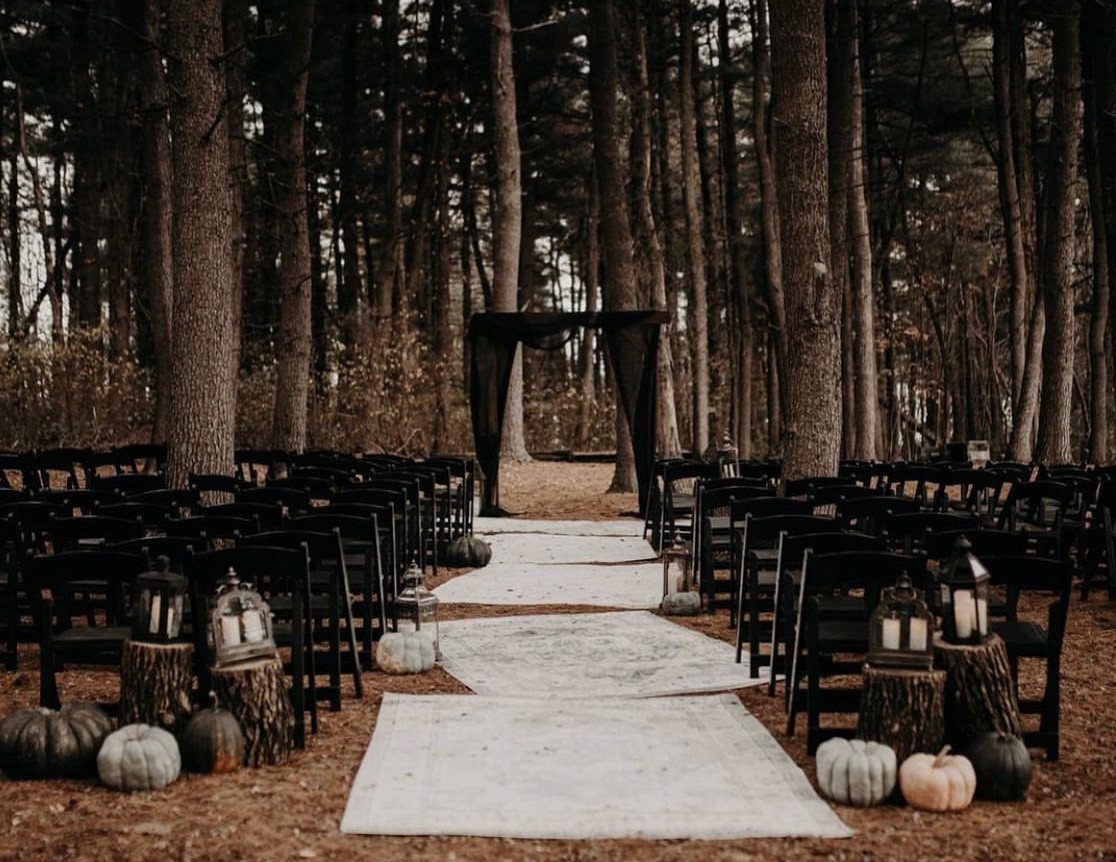
Plush white runners laid down the center aisle turn dark ground and fallen leaves into a deliberate stage.
The white reads against black chairs the way a gallery wall reads against a painting; it is the negative space that shapes what the eye sees first.
The surface underneath matters more here than with thin fabric. Pine needles, roots, and soft soil will show through unless the rug carries its own backing or you lay plywood first.
I would test the walk in the shoes the bride plans to wear, since plush pile catches narrow heels worse than flat weave.
Lanterns and pumpkins already sit nearby in the visible setup; the white stays clean by keeping food and flame off it.
Budget for cleaning or for treating this as a one-day piece, since forest ground leaves marks that do not lift.
Choosing the Right Rug Material
The material of a wedding rug determines whether it survives the day or becomes a hazard.
Sisal and jute handle outdoor heat and uneven ground well; their stiff weave lies flat without much weight, though gaps between spaced pieces need marking with twine so heels do not catch.
Plush white pile turns a forest floor into a stage, yet it requires plywood underneath or its own backing to stop pine needles and soft soil from telegraphing through.
Texture also changes how the aisle photographs. Flat-weave vintage pieces and low-pile orientals read as deliberate against grass; deep shag looks accidental in daylight and worse once guest traffic starts.
Red dye in a single oriental rug can bleed if dew is heavy; testing for colorfastness before the morning matters.
I would match the fiber to the setting’s formality, then check that the chosen weight stays put without visible tape.
Heat and humidity change how natural fibers behave, so a late summer ceremony needs looser weaves that breathe rather than synthetics that slide.
Practical Considerations for Rugs
Width matters before length.
Grip sits underneath everything. Anti-slip pads or grip tape keep a runner flat on stone or carpet; outdoors, weight and friction alone hold overlapping layers if the ground is level enough.
Pins and tape work for standard runners, but the visible setup for layered rugs uses no visible fastener, which means testing the surface friction beforehand.
Joining end-to-end orientals requires matching scale and related colors; sharing a palette is what lets separate pieces read as one path. Measure the exact distance before booking rentals for fall season, when multiples of any style go early.
Overnight setup risks dew, wind, and curious wildlife; rolling out shortly before the ceremony costs an extra pair of hands but saves the walk.
Frequently Asked Questions
What is a wedding aisle?
The aisle is the path the wedding procession walks, from the entrance to where the ceremony happens.
A runner or rug marks this path, keeps the bride’s hem off the floor, and gives photographers a clean line to shoot. Outdoors, it also gives guests a visible route to their seats.
What is the wedding carpet called?
Most people call it an aisle runner.
Some couples now use a ceremony rug instead, a distinctive piece placed where they stand rather than along the full path. After the wedding, that rug sometimes moves home as a keepsake.
What is the best material for a runner rug?
For outdoor heat and uneven ground, sisal and jute lie flat with little weight and their stiff weave does not shift easily.
A thick white rug looks romantic on dirt or pine needles, but only if you lay something rigid underneath so the ground texture does not press through.
What type of rug works best on top of carpet?
On top of existing carpet, a thin flatweave looks intentional and stays in place under shoes; deep shag shifts around and mats down fast once guests start walking.
For any rug over carpet, grip tape or an anti-slip pad underneath keeps it flat; pins work too on some surfaces.