These wedding guest outfits run from a floral cotton midi you might snag on sale to a tailored metallic pantsuit that’ll need professional alterations on top of the ticket price.
1. Floral Prints for Daytime Weddings
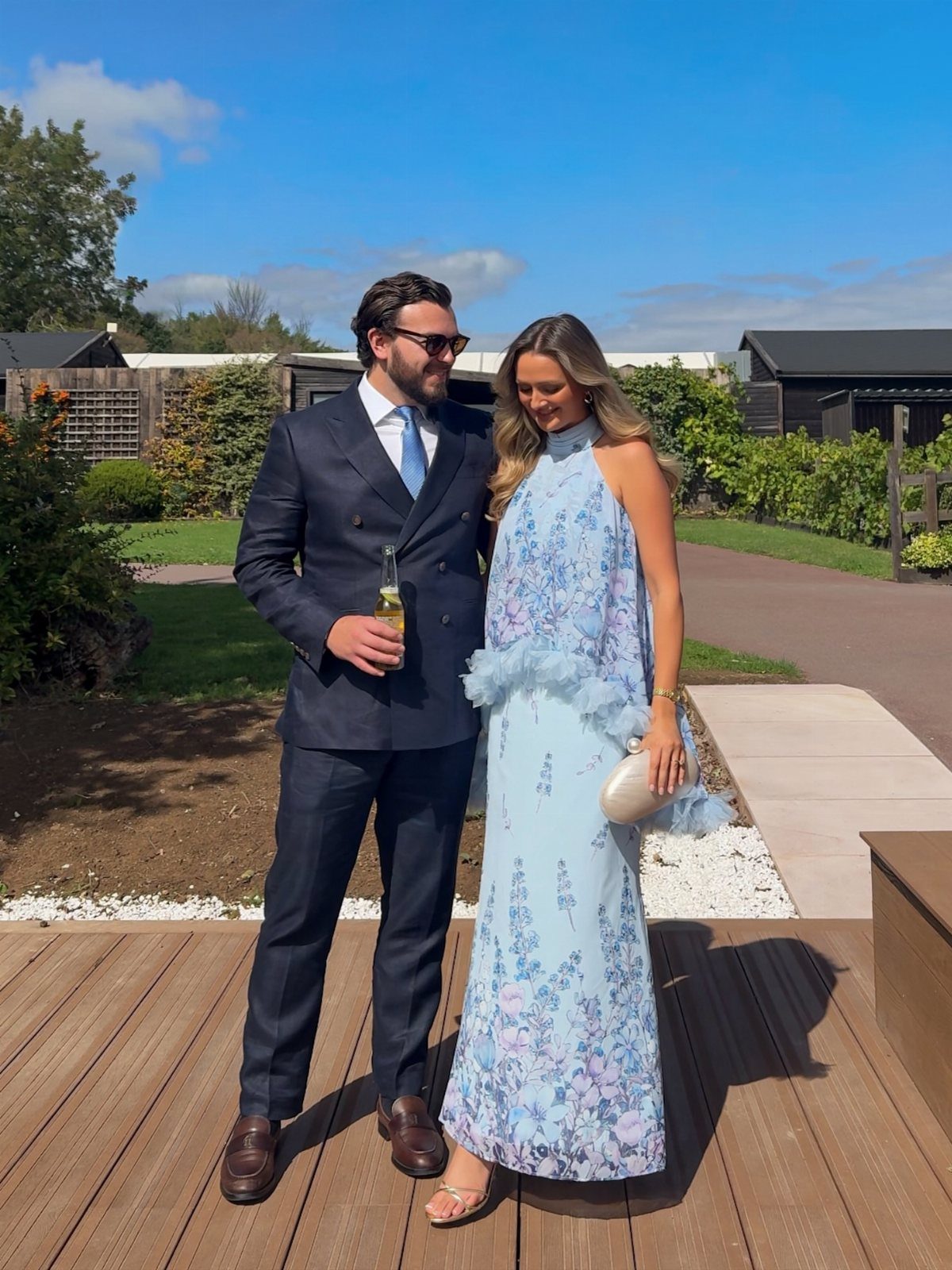
A light cotton or linen floral midi works for garden and beach weddings where you’ll stand on grass or sand.
Block heels or flat sandals keep you stable; stilettos sink in and trip you up the moment you step off the deck. I found that out at a lakeside ceremony in Michigan.
Skip flip-flops, shorts, and anything you’d wear to run errands.
The line sits between too casual and too dressed up: a sundress with real structure, not a cover-up you’d throw over a swimsuit. A glittery clutch or stack of bangles adds some polish without pushing it toward evening.
2. Long Dresses for Formal Weddings
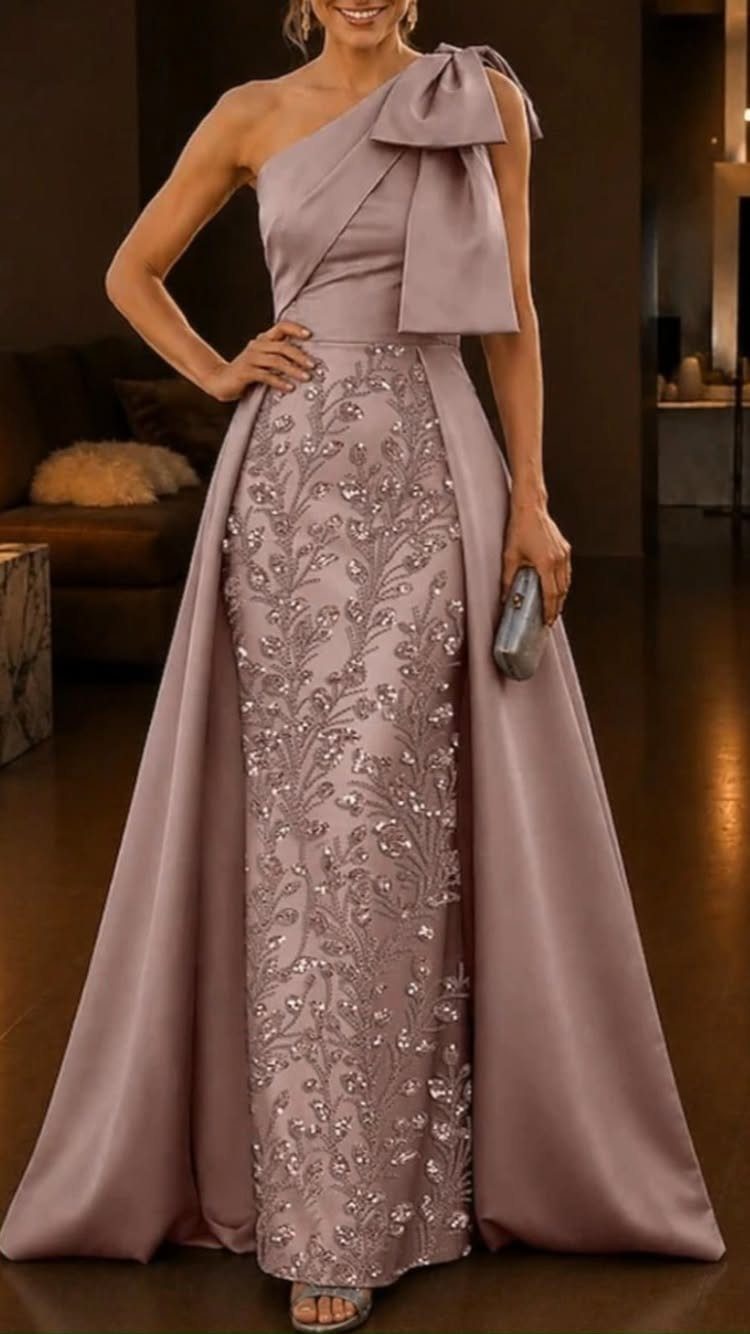
A floor-length gown reads correct for black tie; for "black tie optional," a very polished midi still passes.
I look for cleaner fabric and a shape that holds its own in a hotel ballroom or rooftop reception without trying to outdo the couple.
A floor-length gown is perfect for a black-tie venue, but that same dress would have looked absurd at my cousin’s backyard ceremony, where the bride’s mother was in sandals and the groomsmen wore linen.
A pastel clutch or satin sandals can add a quiet shimmer against lace if the dress itself stays in a single, subdued color.
3. Jumpsuits as Wedding Attire
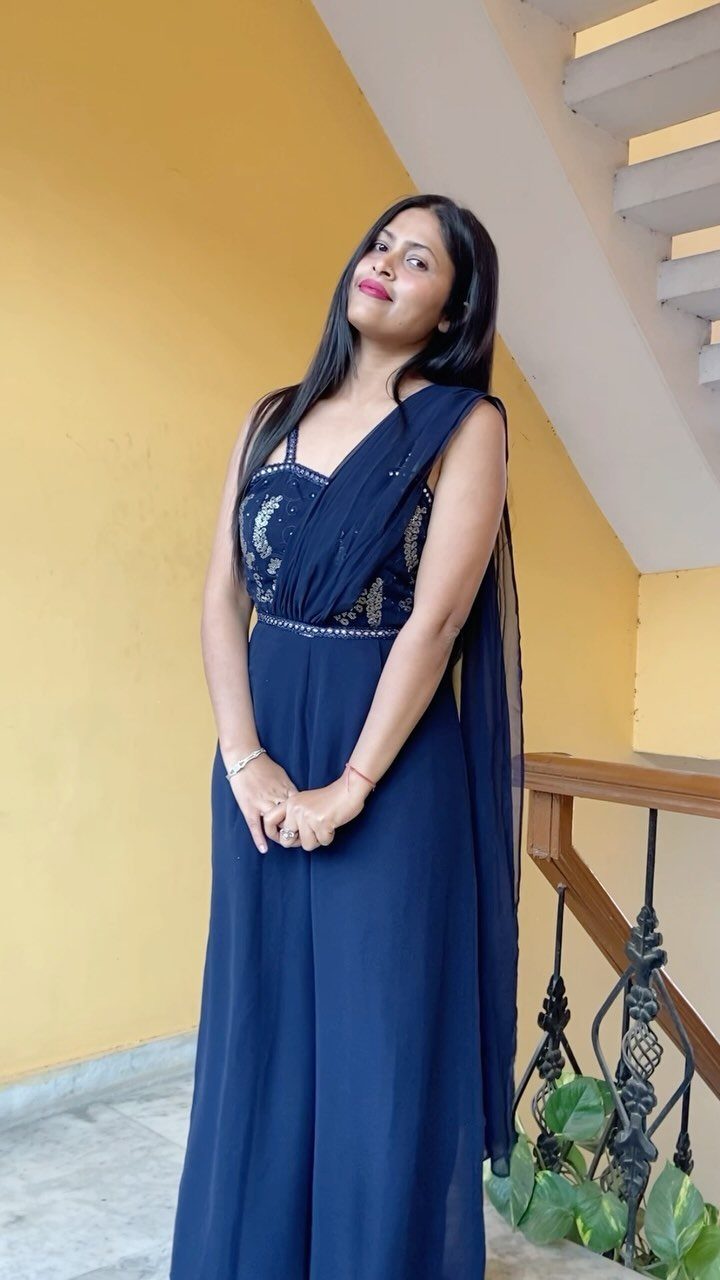
A tailored jumpsuit fits evening cocktail receptions and modern loft venues where the couple favors an editorial, fashion-forward look. The silhouette needs to be intentional: structured shoulders, fitted waist, a cut that reads formal rather than utility wear.
Wide-leg casual styles fail here.
Heels and minimal jewelry make the difference between dressed and underdressed. I would choose navy over black for a summer wedding and add a draped dupatta or evening clutch if the event leans dressier than cocktail.
The New York weddings where I have seen this work were in Brooklyn venues with concrete floors and sparse decor; the outfit matched the space.
4. Embellished Tunic and Trousers
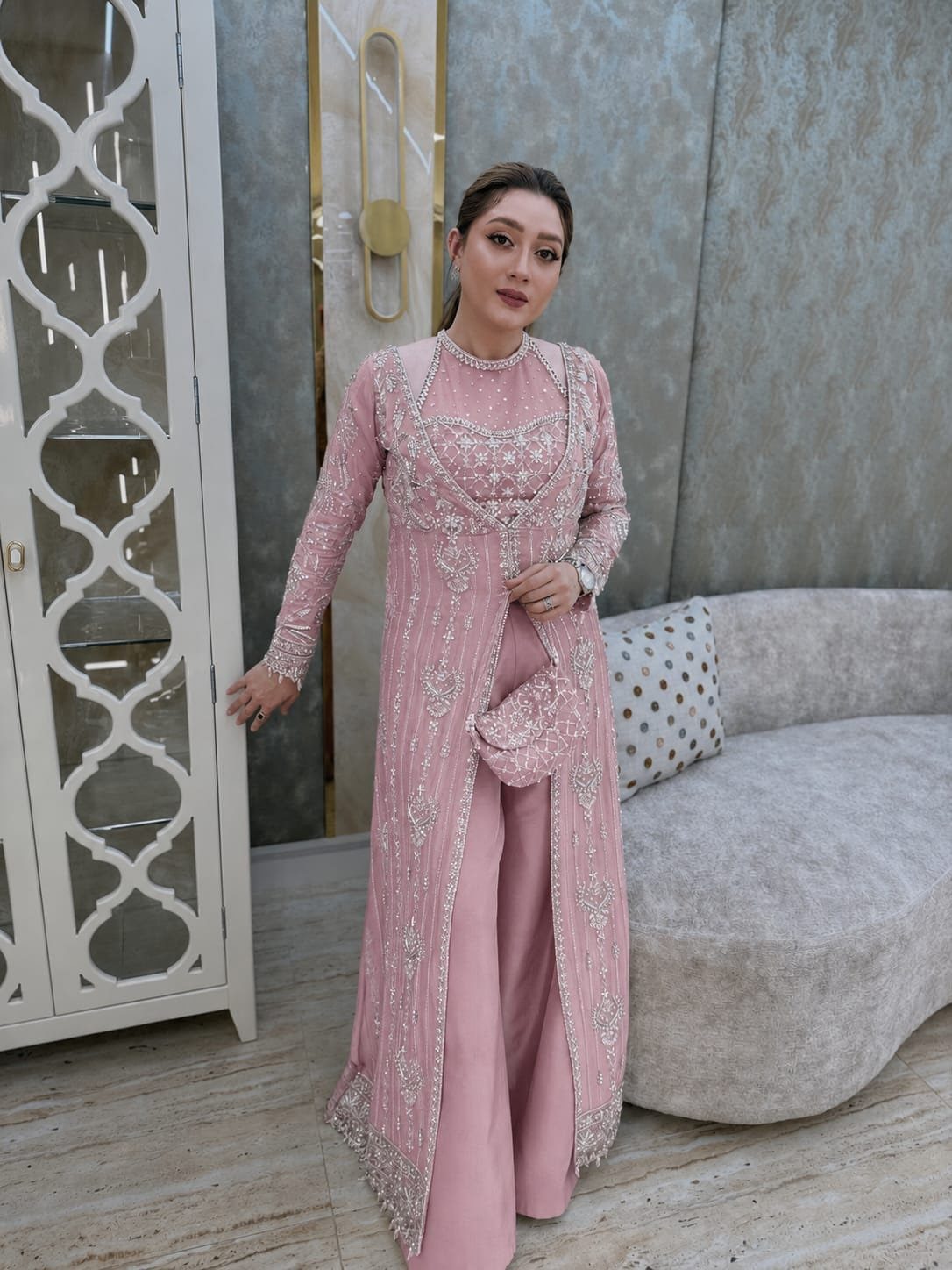
A floor-length beaded tunic over matching wide-leg trousers gives you the coverage of a gown with the mobility separates allow.
The silver embroidery in the visible version sits heavy on the fabric, so check the weight before you buy: too much embellishment and you’ll swelter in an outdoor ceremony.
This style suits taller frames where the long vertical line has room to run. Petite guests should try the tunic hem closer to knee-length or the volume will overwhelm.
5. One-shoulder Midi Dress
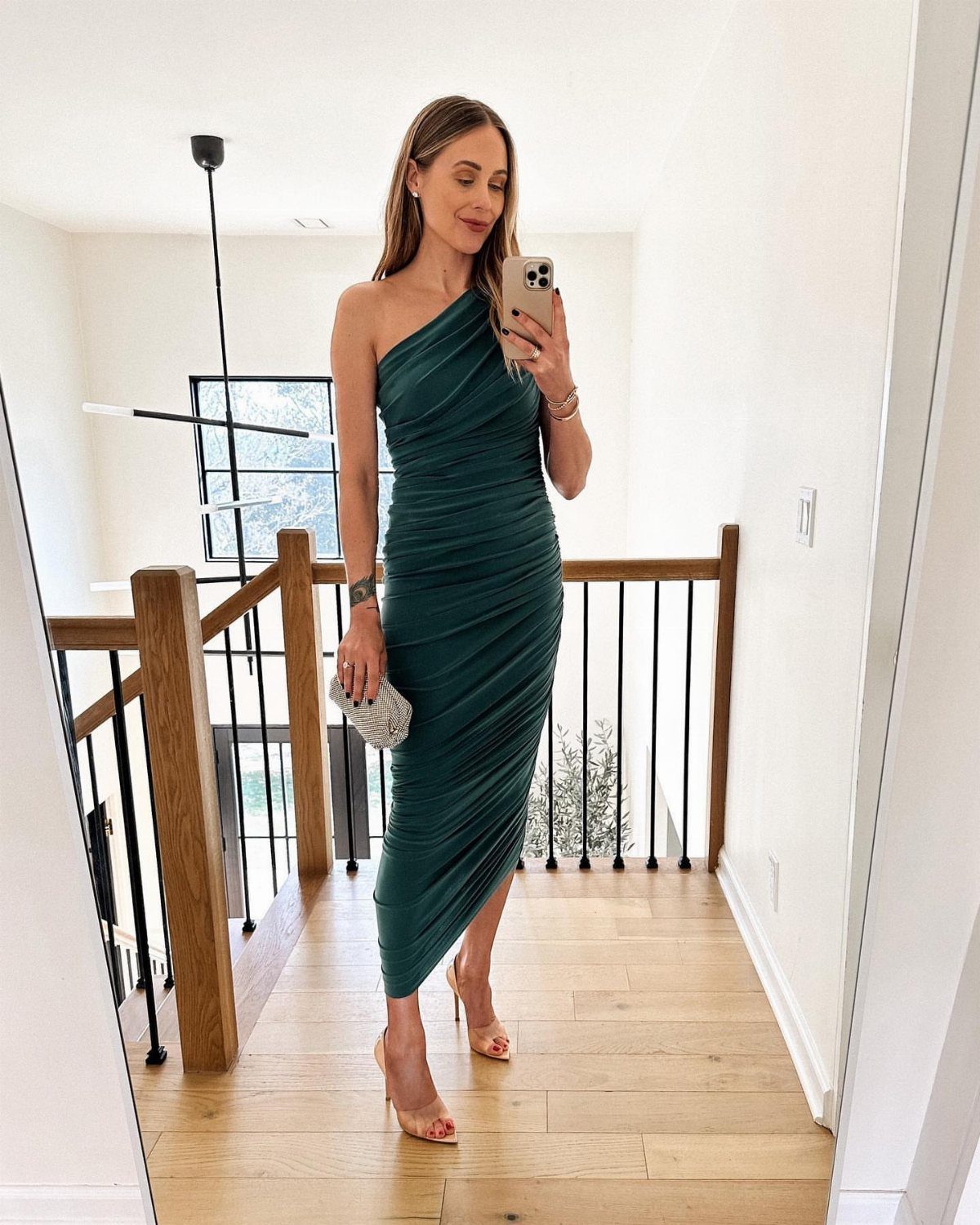
The one-shoulder neckline carries enough interest that your accessories stay simple. Side ruching adds structure without bulk, which I find more forgiving across body types than a straight sheath.
For invitations with no dress code, a polished midi with clean shoes is the safest starting point.
Teal works across seasons; for summer, I would lean toward a lighter, brighter shade. Hold a clutch rather than a shoulder bag so the asymmetry stays visible.
6. Metallic Pantsuit
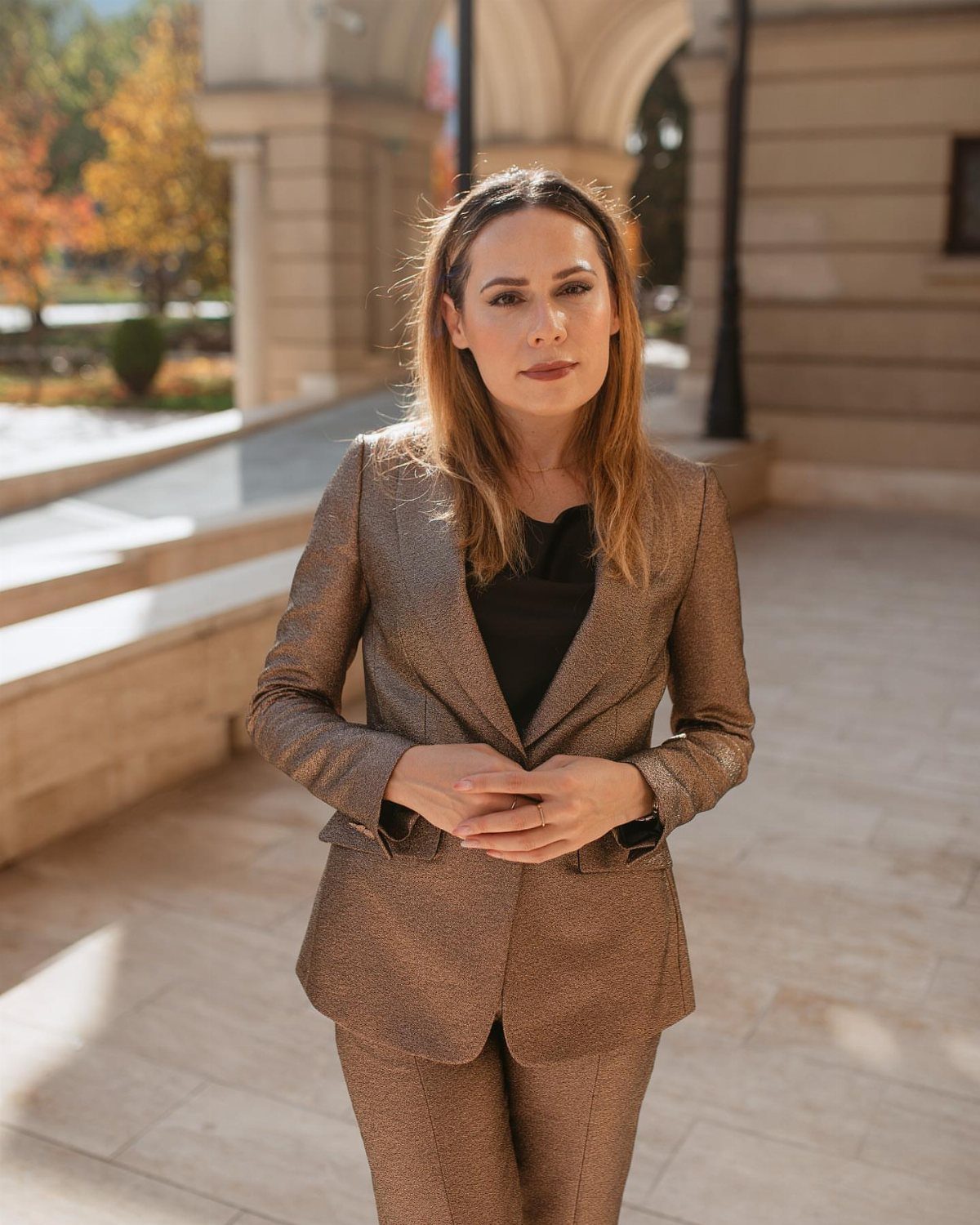
A shimmering bronze-gold tailored pantsuit over a black top reads evening without being a dress. The metallic fabric does the work, so jewelry stays minimal: small earrings, no necklace competing with the lapel line.
Check the sheen in daylight before you commit. Some metallics shift from elegant to costume under reception lighting.
This style needs precise tailoring at the ankle and shoulder; an off-the-rack fit will sag and catch light wrong. I would have it altered even if the tag says my size.
7. Modern Tailored Men’s Suits
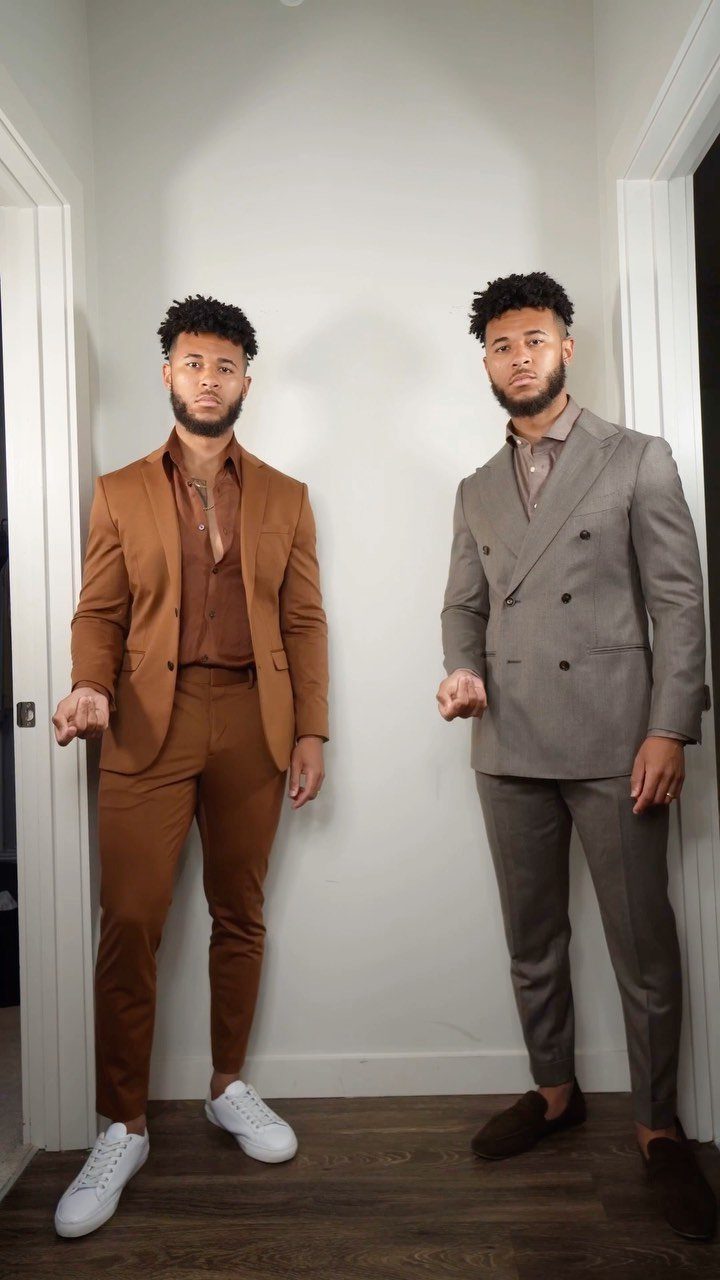
Neutral tailoring in earthy brown or double-breasted grey moves a wedding guest past the navy rental look without trying to stand out.
Matching the shirt to the suit, rather than reaching for a white or blue default, reads intentional: the visible versions show brown-on-brown and grey-on-grey.
Both cuts need real tailoring at the shoulder and trouser break; boxy shoulders or pooling hems ruin the effect.
A brown suit suits autumn and outdoor settings; grey double-breasting works year-round for evening receptions. Polish the shoes, skip the tie if the invitation allows it, and let the cut speak instead.
8. Short Voluminous Black Dress
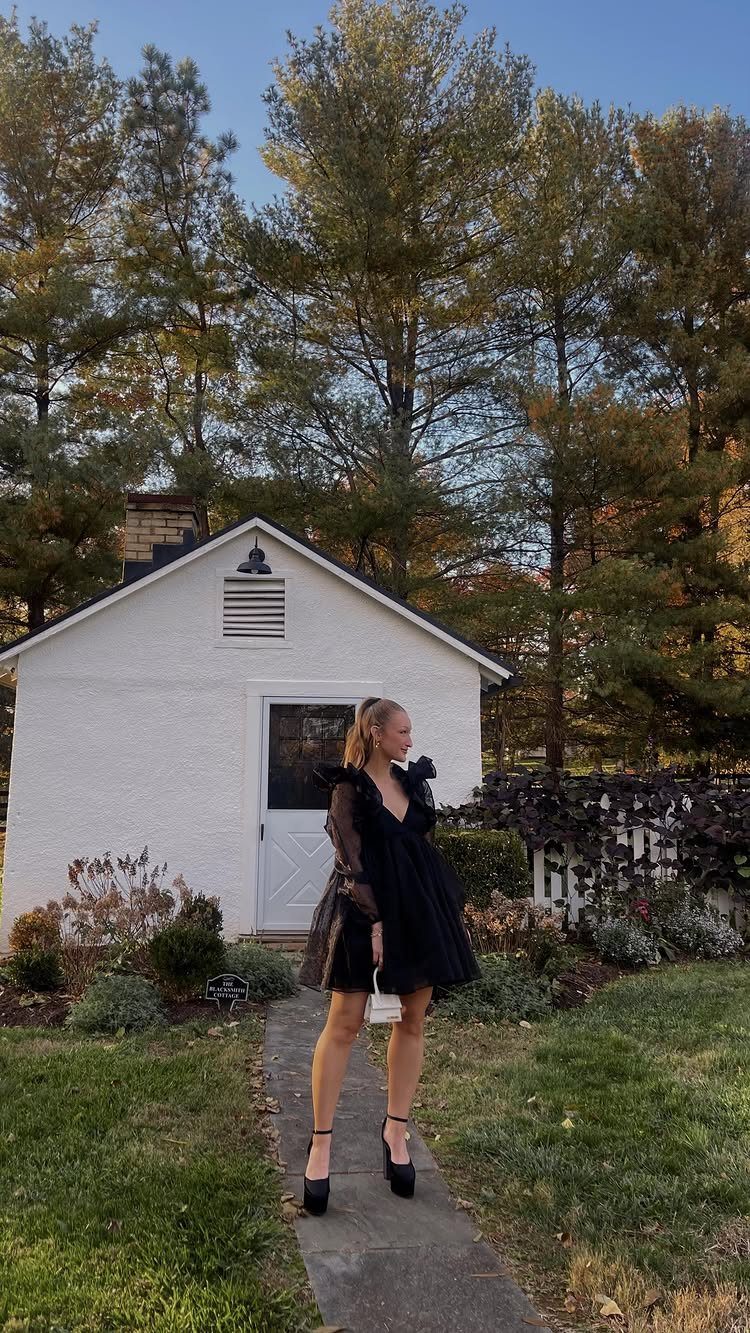
A short black dress with real volume in the skirt reads cocktail without basic.
Sheer sleeves keep it from reading too heavy for a daytime or garden event; the tulle structure in the visible version needs underlayers that breathe or you’ll overheat before appetizers.
The hem hits above the knee, so the shoe matters more than with a midi: a clean black sandal with some heel height balances the volume.
A bare leg or simple hosiety works; patterned tights fight the silhouette. I would keep jewelry small and metallic, letting the sleeve and skirt shape carry the interest.
Save this for a wedding with some dress code signaled; it shifts underdressed fast in a true casual backyard.

BOLD ONE-PIECE: A modern alternative to the classic gown, this off-shoulder jumpsuit features beautifully feminine details, like a softly bloused lace bodice and fluted long sleeves – a chic choice for weddings, cocktail parties, and more.
Understanding Dress Codes
Take the invitation wording literally, then let the venue finish the decision. Cocktail and semi-formal land somewhere between everyday and full evening dress, and a polished midi or sleek satin usually hits that mark.
Garden, beach, and outdoor weddings ask for fabric with some movement and cuts that do not feel stiff, even when the couple still expects guests to look dressed-up.
Color Choices for Guests
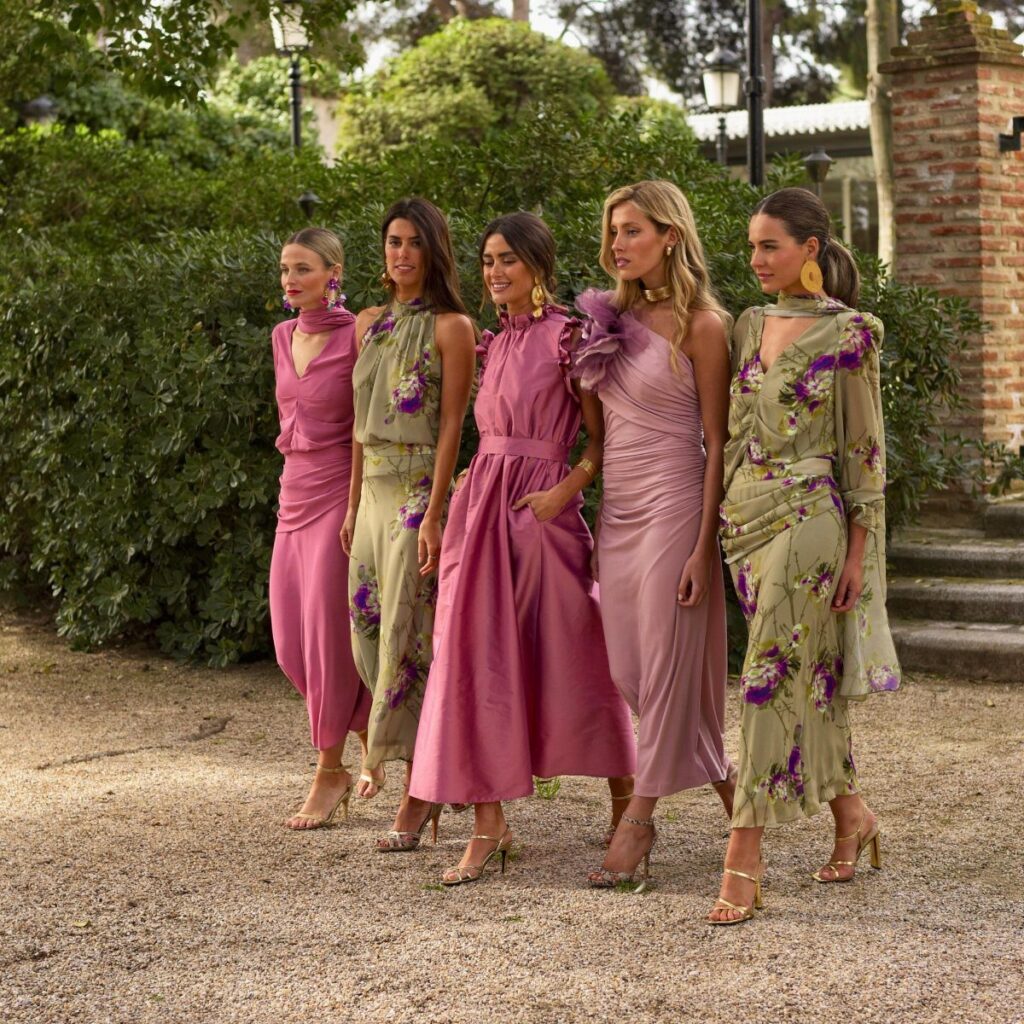
White is only the start of the color problem. Navy, green, blue, brown, rose, muted florals, and richer jewel tones look intentional without pulling the wrong focus.
Seasonal Considerations
Spring weddings handle florals, lighter color, and softer movement. Fall calls for deeper green, wine, navy, brown, black, jacquard, satin, or darker florals.
Outdoor receptions get cold fast, so bring a wrap or tailored jacket for evening. When the invitation hints at daylight, heat, travel, or outdoor plans, pick fabric, hem length, and shoes that match those conditions.
Practicality in Footwear
The outfit should let you sit through the ceremony, stand for photos, walk between spaces, eat dinner, and dance without constant adjustment.
Frequently Asked Questions
What’s appropriate to wear to a wedding as a guest?
A tailored midi dress, jumpsuit, or suit in a quality fabric that matches the dress code and venue.
A navy, gray, or charcoal suit with a tie gets you through most weddings; lose the tie and go lighter for afternoon or beach ceremonies, and rent the tux only when the card says black tie.
What are the trendy looks for wedding guests in 2026?
Dramatic maxi-gowns, floral midis, tailored jumpsuits, and well-cut separates are showing up across wedding styles. Color choices matter: jewel tones for evening affairs, pastels for softer occasions, and black now widely accepted for formal weddings.
This year the change I am seeing is less about following strict rules and more about reading the tone of the event, then fitting your own style inside that.
What colors not to wear to a wedding as a guest?
White, ivory, cream, champagne lace that reads bridal, pale sheaths with wedding texture, and anything that looks like you are headed for the altar yourself.
Bright red, neon, heavy sequins, and very sheer fabric are couple-dependent and culture-dependent; when I doubt, I pick the quieter option.
Can you wear black to a wedding?
Black is fine at most weddings I have been to recently, and the easiest choice when the time is evening or the dress code is formal.
For a daytime ceremony, I break up black with shoes or jewelry that carry some color. I skip black only if the invitation signals otherwise, or if the couple’s community still reads it as mourning rather than celebration.