Romantic wedding pictures in this list run from a two-second kiss to a full silhouette at sunset, and the right choice depends on whether your ceremony allows movement or freezes you still.
Sam Walker, whose galleries I studied, shoots couples walking through space rather than planted in front of it; ask yours to do the same.
1. The Kiss
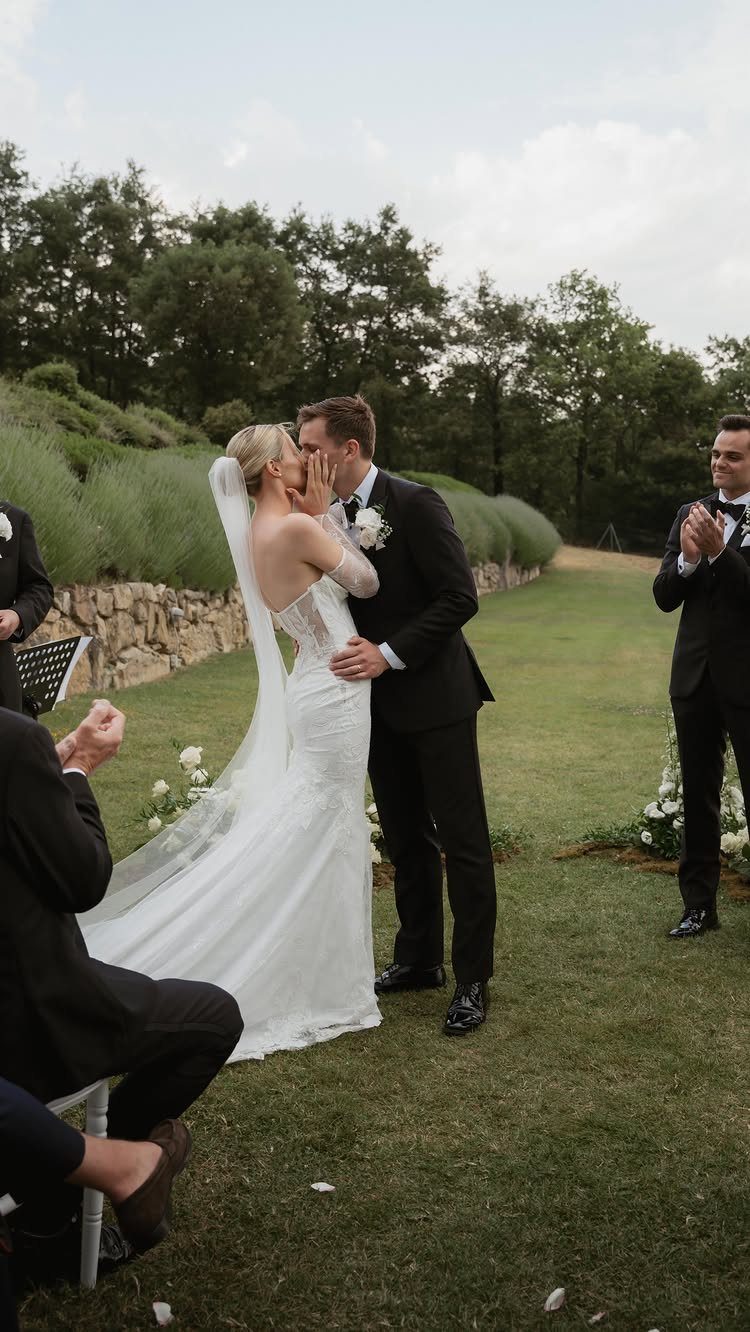
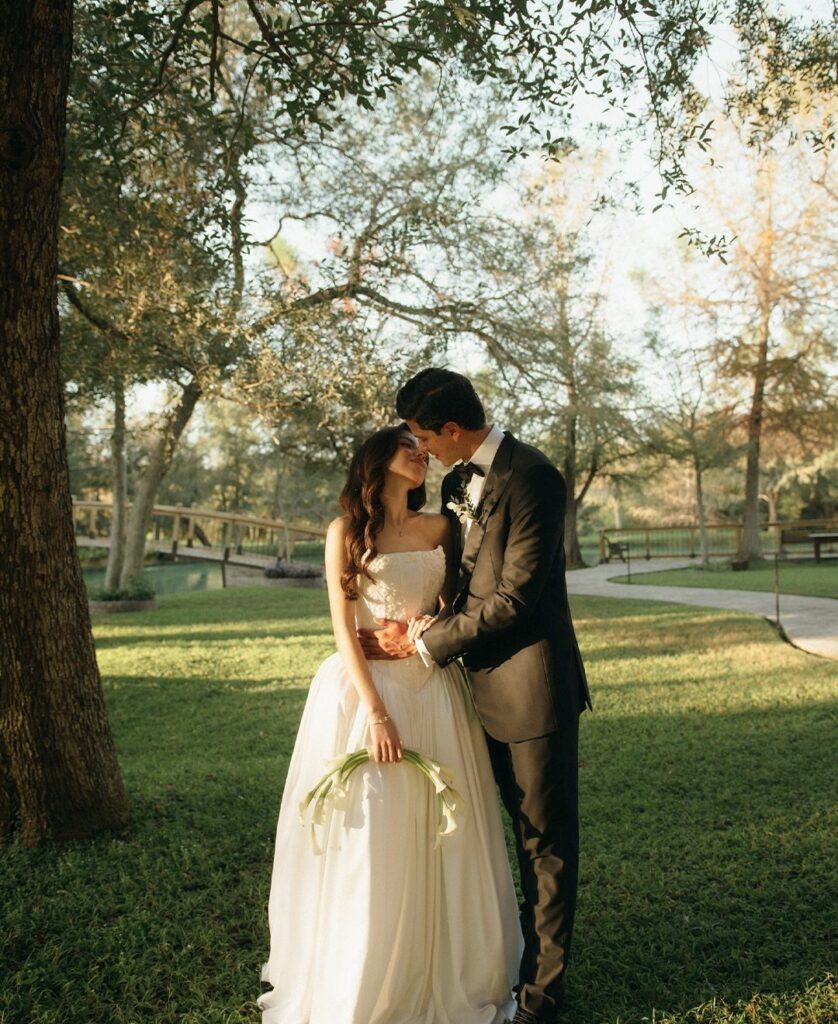
The first kiss lasts about 2 seconds, and that is the whole window your photographer gets.
Ask them to speak with whoever is conducting your ceremony, the officiant, a few minutes beforehand, so they step aside at the right moment and do not block the shot.
This is the one photo almost every couple wants in the final gallery, and the one that disappears fastest if nobody planned for it.

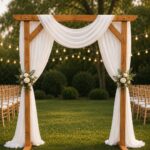
Size:5x7ft (150cm wide with 213cm height)

Generous Dimensions: 7x5ft backdrop with clear details and bright colors for comprehensive coverage

Size: 20x10ft (W x H) / 6 x 3 Meters (W x H)
2. Sparkler Exit
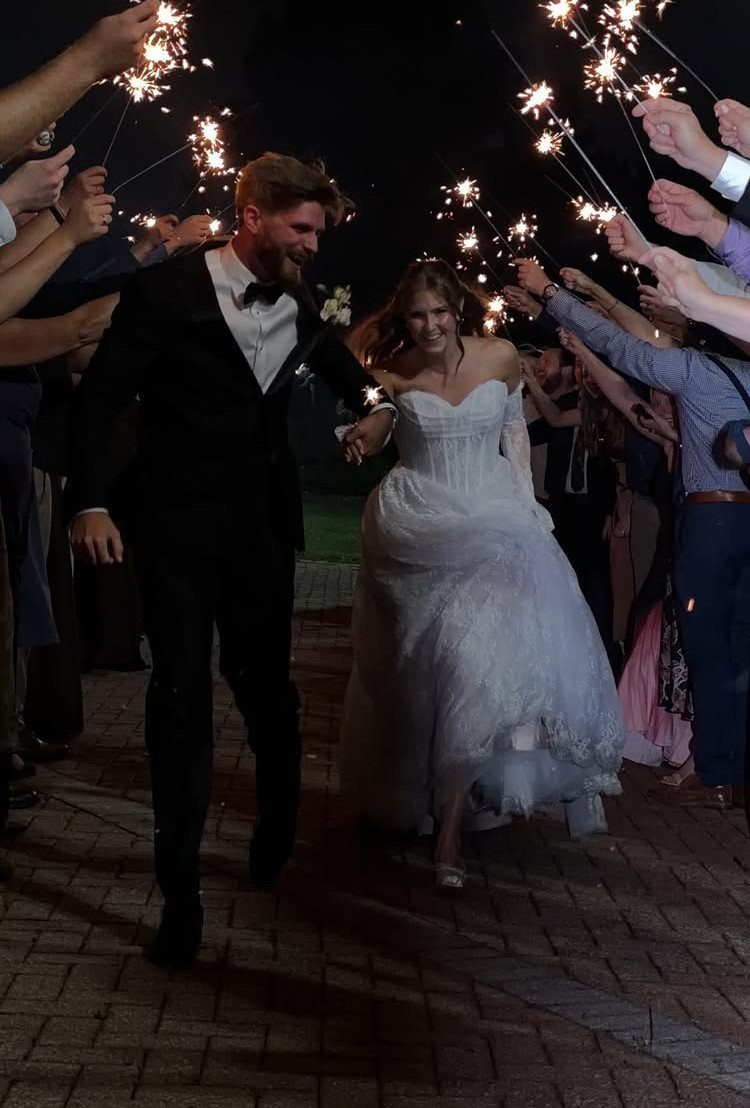
A sparkler exit needs darkness to read as more than thin smoke and pale sticks. In summer that can mean well after sunset, when guests have had hours of open bar and coordination turns into herding.
Talk to your photographer and whoever is keeping the evening on schedule before the day itself.
If your wedding ends early in fall, this works easily; if it is a summer afternoon reception, you may want to trade this for a confetti toss at golden hour instead.

Complete 120 PCS Wedding Send-Off Set: Create a glowing ceremony exit or reception send-off with 120 warm white LED wedding wands. Each wand includes flowing white satin ribbons and a cheerful silver bell, adding light, movement, and joyful sound as guests wave for the newlyweds.

You Will Receive: 100 lighted wedding wands, providing enough for guests to enjoy; They are an ideal addition to any celebration, providing not only a festive atmosphere but also a charming souvenir for your guests to remember the event by

Double The Joy and Excitement: Expertly crafted with rigorous quality control, our 58 PCS fairy sticks contains 3 batteries with an on and off switch function to save battery life when not in use, ensure LED wedding reception props up to 12 hours of glowing light so that you could enjoy your party all night without worrying they would fade away.
3. Couple Portraits
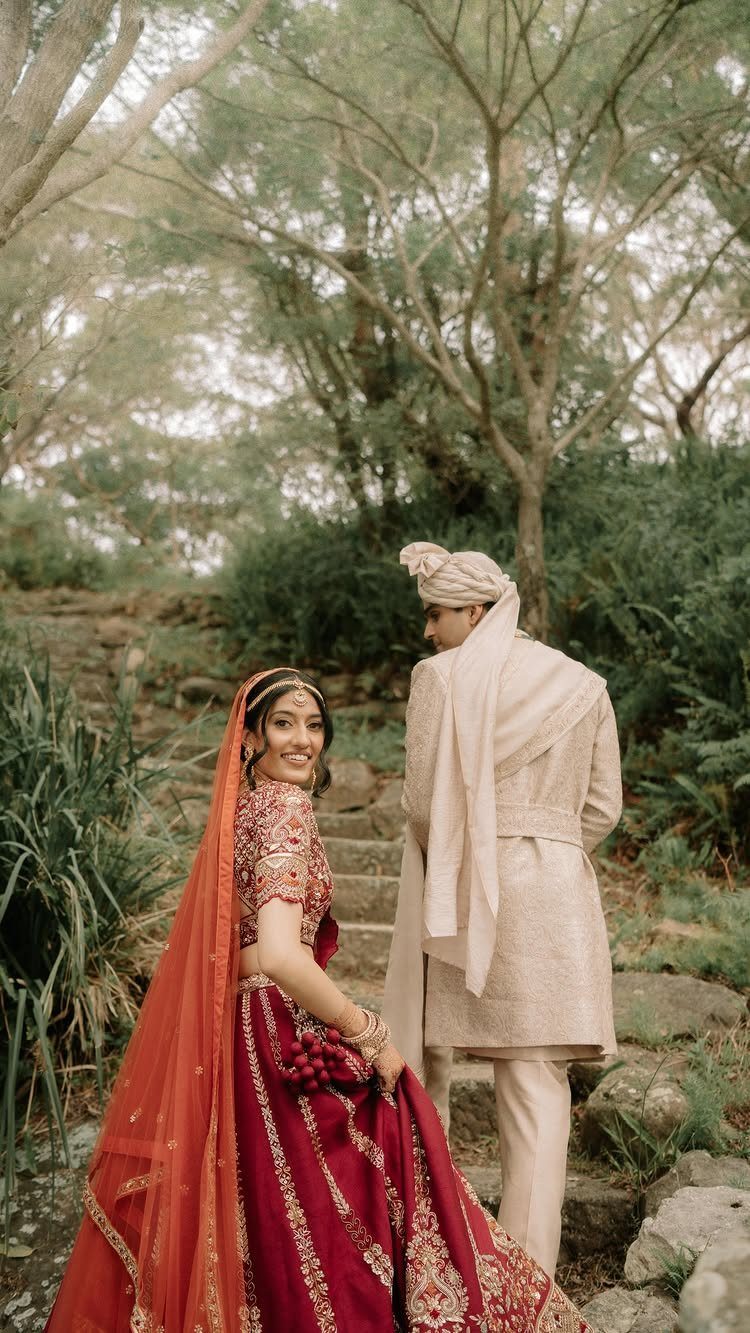
Most wedding timelines leave barely any time for couple portraits, and that is where personality either shows or gets buried under posing.
I like the walking version because the couple is in motion, not standing still for inspection; the photographer followed them up stone steps and let the trees fill the frame.
Ask yours if they can shoot you moving through the space, not just planted in front of it. Bring the location in, the way you would want to remember being there, not only how you looked.

This photo shoot lights and background kit includes almost everything you need. Photo studio photography equipment includes: 1 x 6.5ft*10ft(2m*3m) Background Stand; 5 x 6.5ft Light Stands;5 x Bulb Holder (US Plug Cable1.8m);2 x 33" White Umbrellas;2x33" Silver Black Umbrella;1x33"Golden Black Umbrella;3x Softboxes; 5 x 45W Light Bulbs;3 x 5.25ft*9.2ft(1.6*2.8m) Polyster Fabric Photo Backdrop ;1 x Carry Bag; 6 x Fish Mouth Clamps;1 x 24in(60cm) 5 in 1 Reflector

【High Quality Softbox】 Soft box nylon reflector is made of high-quality PET fabric and reflector material, which can maximize the capacity of lighting-softening. Softer and more uniform light, wider lighting range, and remove shadows, offering you the best shooting experience.
4. Putting on Wedding Attire
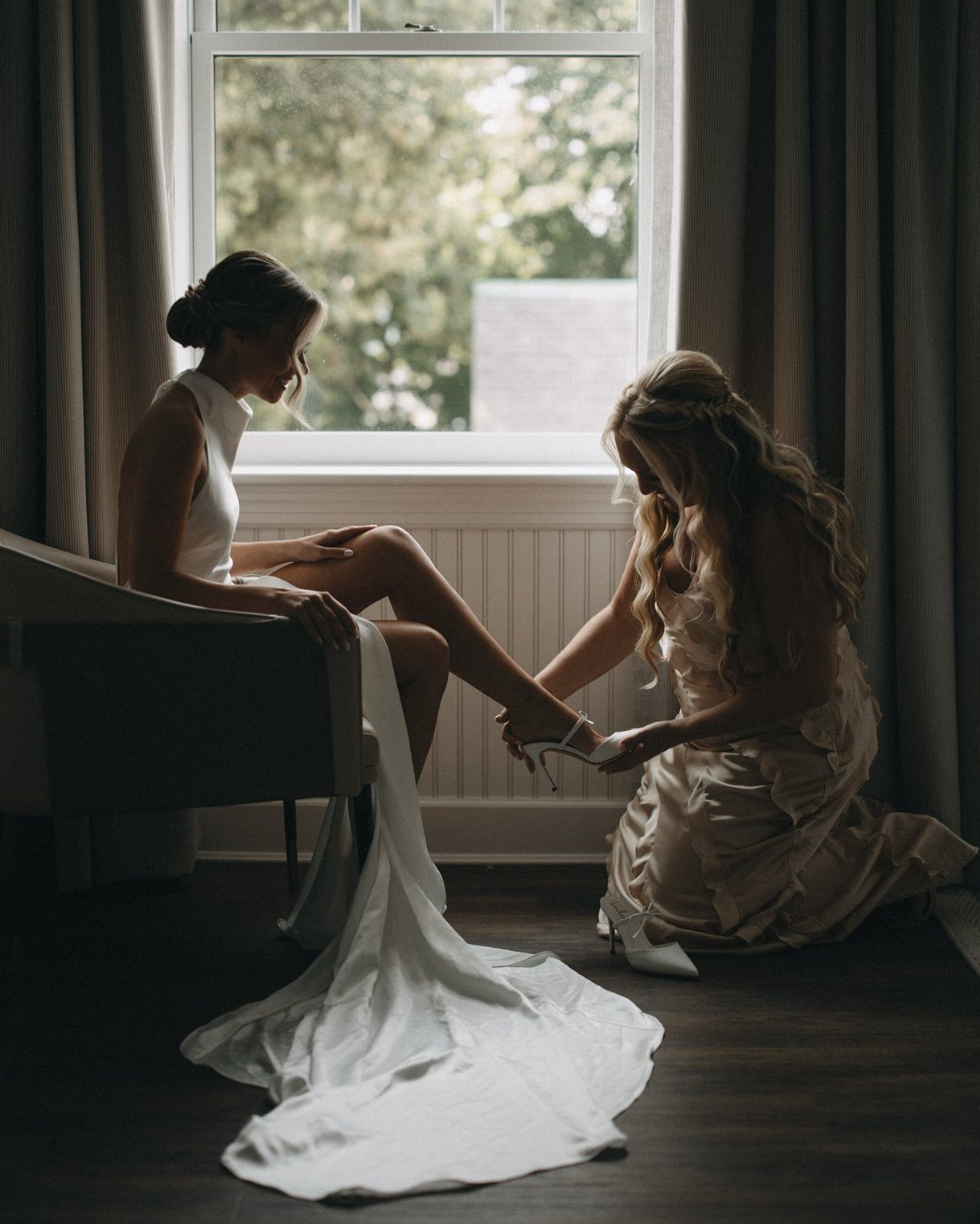
The getting-ready room matters more than most couples expect. Window light, plain walls, and a chair that does not swallow the person in it, these 3 things separate photos that feel calm from photos that feel cluttered.
Check your getting-ready space a week ahead; if the hotel gives you a basement suite, ask to switch.

The wedding robe is made of high quality polyester fiber. Luxurious silky feel and look, lightweight and comfortable.

Luxurious silky feel and look. Light and sleek fabric to accentuate curves; Lightweight and comfortable, Shinny and smooth to the touch.
5. Silhouette Shots Against the Sun
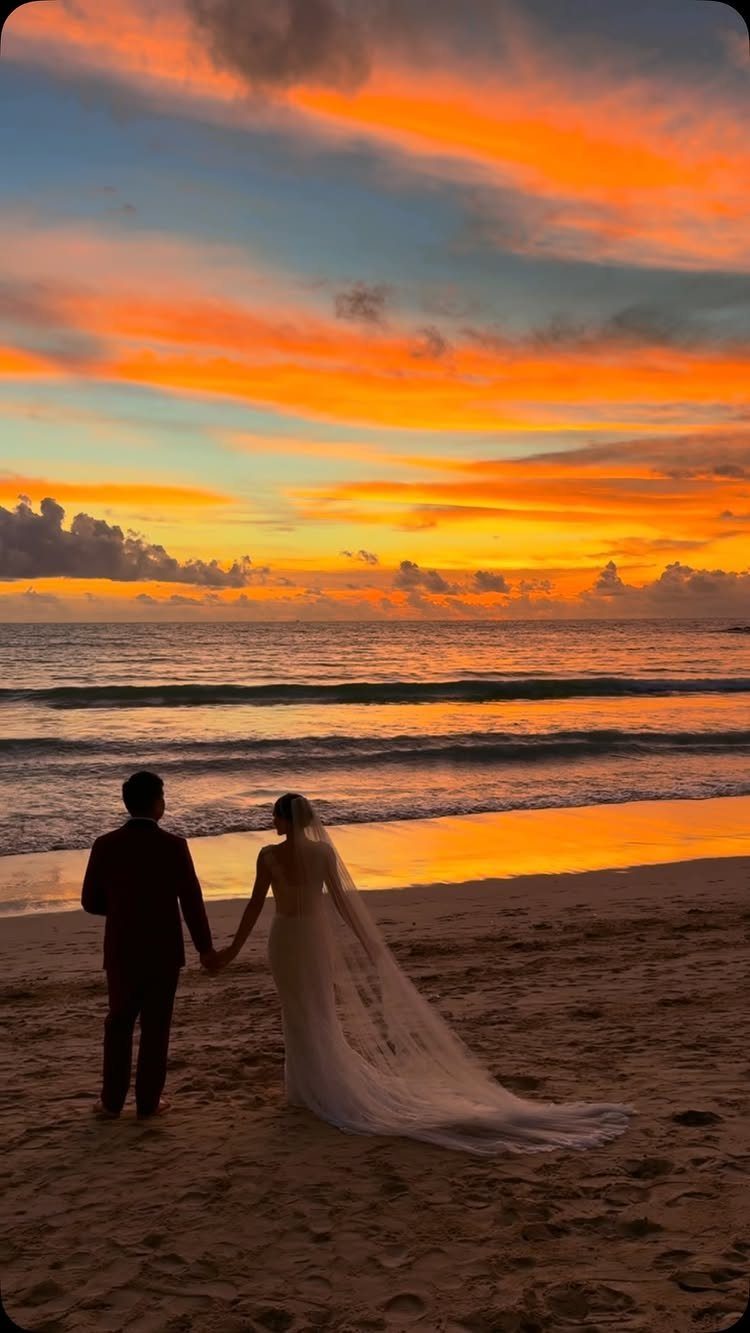
Shooting into the sun, slightly off center, not straight at it, turns a couple into a single dark shape against color.
Any open horizon will do; a hilltop or a field with a low sun works the same way.
Any open horizon at the right hour will do, a field, a lake shore, a parking lot at the edge of a vineyard.
Faces disappear in the silhouette format; you get atmosphere instead of expression. Save this for a moment when you already have plenty of close-up emotion in the bag.

【16 Vibrant RGB Colors】Create mesmerizing sunset effects & dynamic atmospheres with 16 adjustable colors – from warm orange hues to cool blue tones. Perfect for Instagram-worthy backdrops!

Transitional style panel

【VERSATILE WALL DECOR】: Add visual interest to a living room, bedroom, office, hallway, entryway, dorm, studio, or apartment with an expressive wall art poster made for modern interiors.
6. Bridal Bouquet
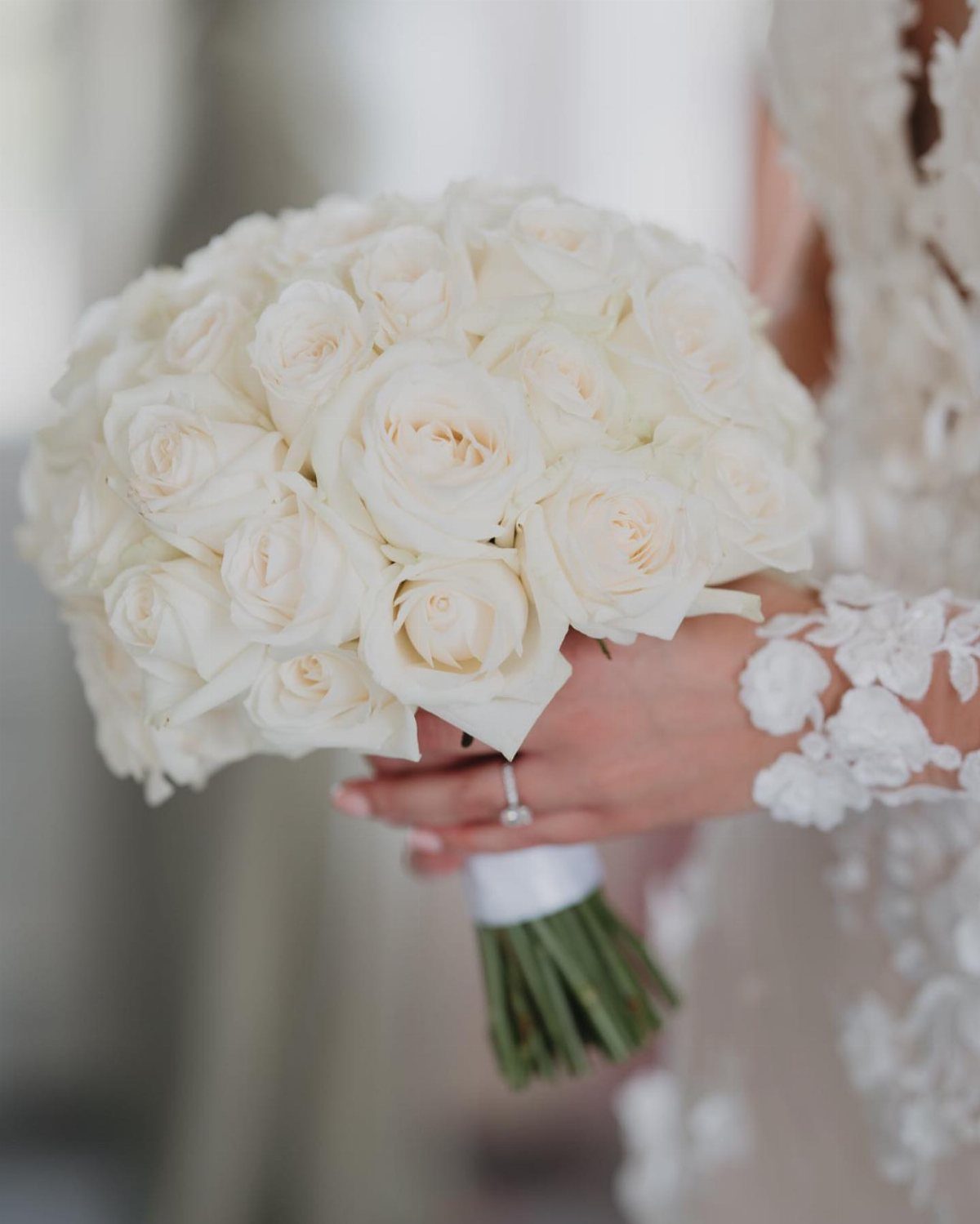
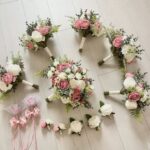
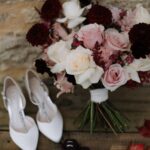
Your photographer should make 2 kinds of images: you with the flowers, and the flowers alone against something that says where you are, a garden hedge, a plaster wall, the lake behind the reception tent.
Ratti Flora, the Italian florist credited under this example, specializes in Lake Como weddings; their work runs toward full and rounded shapes like this one. If your own bouquet is smaller or more scattered, the same principle holds.
Give the photographer a quiet moment with just the bouquet in your hands or on a nearby surface, and you will have something that ties the whole album together.

☀【Material】The photo backdrop is made of vinyl which makes it more durable and less weigh; Can be easily folded and carry convenient for indoor or outdoor events

10ft x 7ft Versatile Backdrop Stand for Studio & Events: Suitable for professional photography, video production, wedding, party, birthday decorations, product displays, DIY photo booths, newborn, baby, and pet portraits, banner holders, and projector screens; A versatile choice for various creative projects

【Size】: 7x5FT / 2.1m x 1.5m / 82 inch x 59 inch
7. The Veil
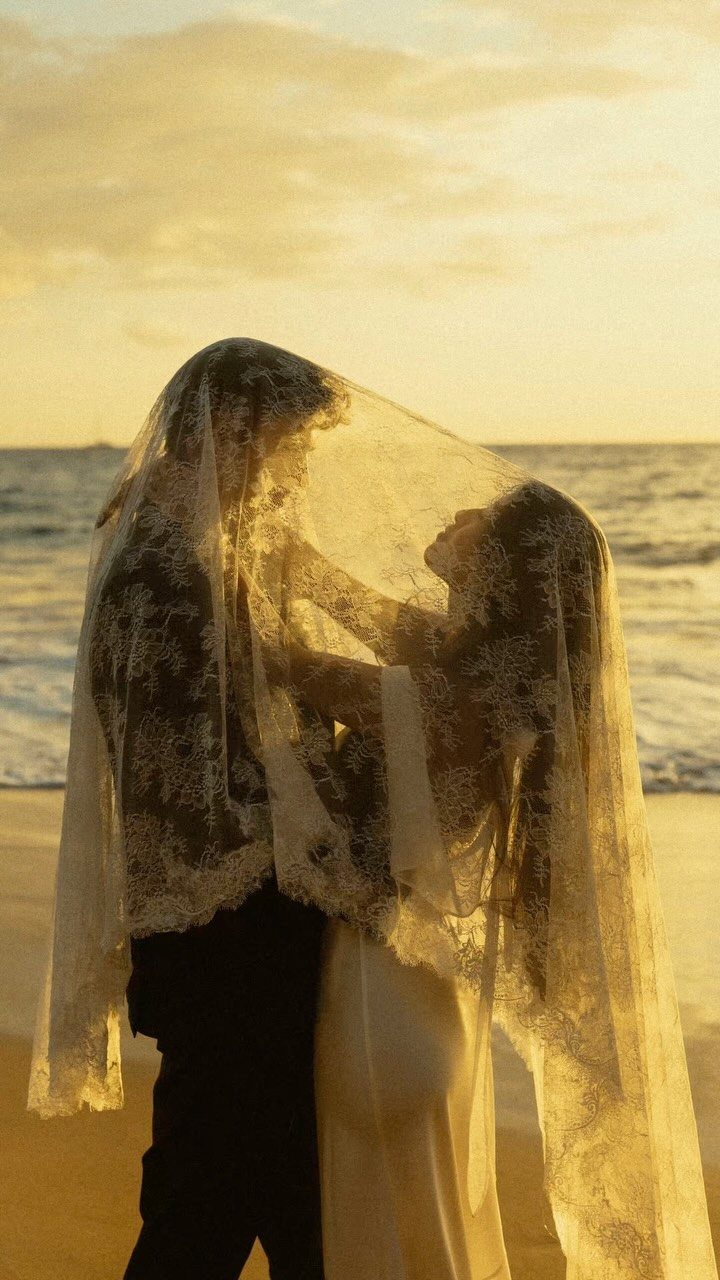
A long veil turns any gust of wind into choreography.
A lace veil with enough weight to fall clear but light enough to catch a breeze makes its own frame around you; ask your photographer to shoot from below and keep you both inside it.
Ask your photographer about movement before the day. Will they shoot the veil backlit, catching the pattern, or full length with the location behind it?
An open body of water behind you gives a long veil room to billow without snagging on anything solid. A garden or courtyard can do the same if the timing is right.
Even a short or plain veil can frame a shot instead of hanging like an accessory; pick one pose where it works as a border around you two.

Romantic LED Wedding Wands: You will get 100 pcs wedding send off streamers with bell,Each light up wands consists of led warm white lights transparent pvc tubes 2 ribbons silk lace, the lights can create a romantic and pleasant atmosphere, the silver bells on the top will make a crisp sound when waved, adding a lively and romantic atmosphere to your wedding. Wedding wand with light are perfect for wedding parties, adding an unforgettable experience for the couple

Perfect Size:Measuring 2.76 x 2.2 inches (70 x 56 mm), these tags feature elegant white lace printing on kraft paper for a beautiful, rustic look. Each tag comes with pre-punched holes at the top and bottom, making it easy to slide in your sparklers—perfect for large and most standard sparkler sizes. They can also double as charming match holders for your scented candles on other occasions.
You Will Receive: 48 lighted wedding wands, providing enough for guests to enjoy; They are an ideal addition to any celebration, providing not only a festive atmosphere but also a charming souvenir for your guests to remember the event
8. Detail Shot of Intertwined Hands
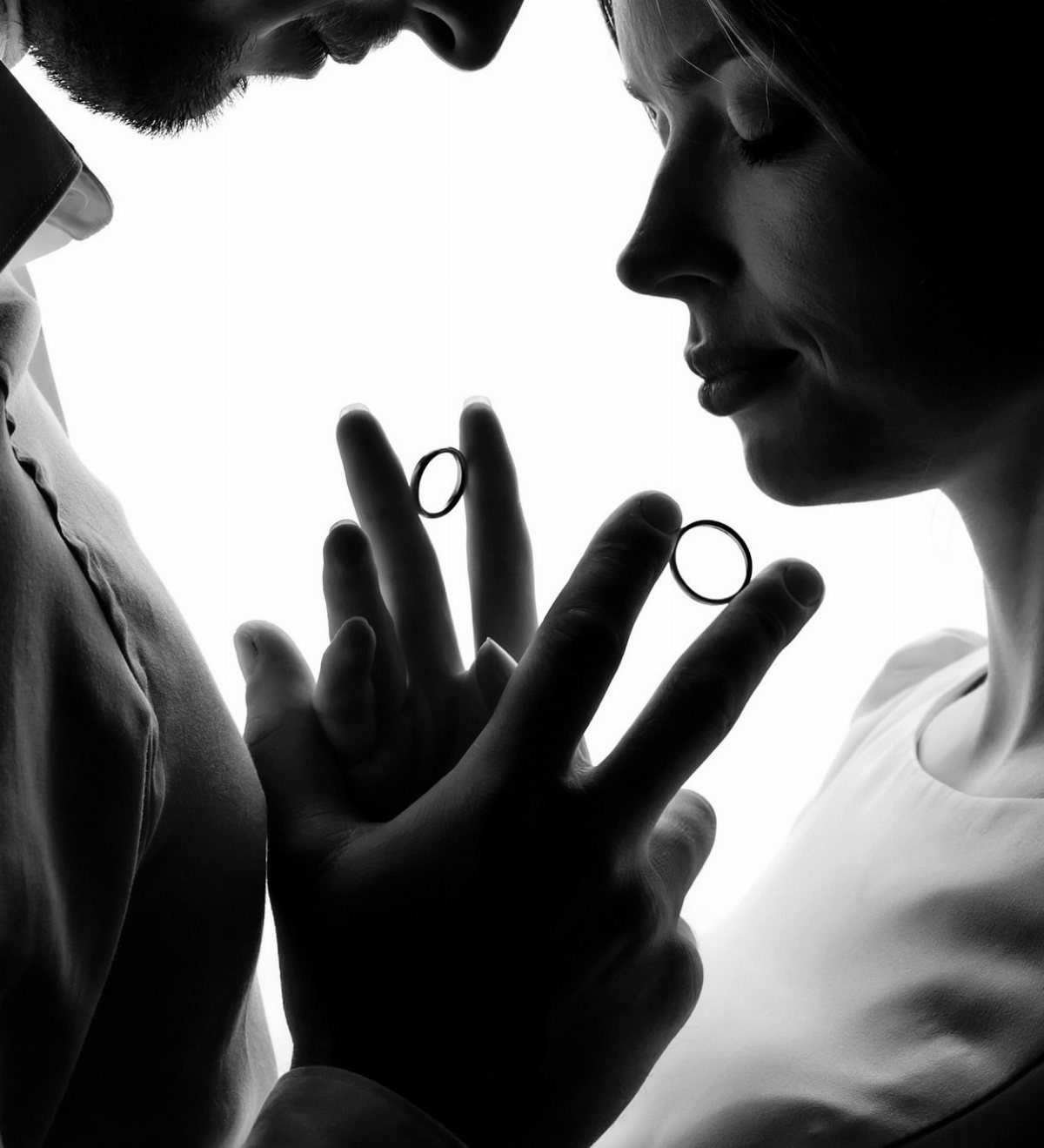
This format works best against a single, clean background. A white sweep behind the couple is what lets a black-and-white hand shot hold its contrast; without that backdrop, the shape dissolves into whatever is behind them.
Do not attempt this in a busy room. A hotel wall, a pulled curtain, or an open sky at dusk gives the camera one tone to work with.
Rings read clearer when held between the hands, not worn, since fingers in silhouette lose their individual shape. Decide with your photographer whether you want the jewelry sharp or the hands themselves as the subject; the exposure changes.

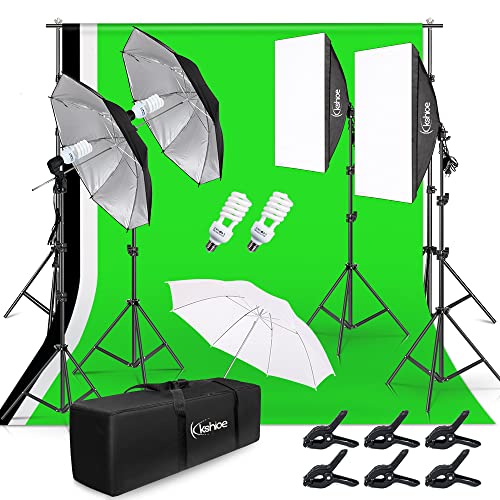
UPGRADED CONSTRUCTION: Portable softbox lighting kit with bulb holder is perfect for portrait, costume, furnishing. Ultimate soften light stream removes shadow to make perfect shooting. The photography softbox kit with backdrops made of polyster fabrics creates a smooth and perfect ambience. The adjustable backdrop stand of the photo shoot kits is the advanced modern design for photography.
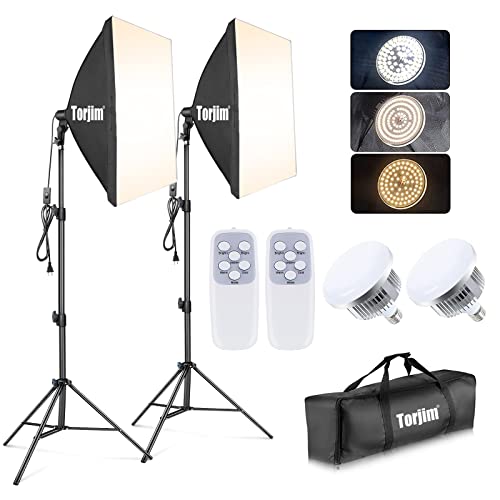
【Excellent Soft box with Wide Coverage】Soft box’s inner nylon reflector surface make the light much brighter, while its removable white diffuser made of premium PET fabric can eliminate shadows and make light softer and more uniform, giving you a best shooting experience. Its sturdy locking system make the soft box stable on the tripod during use.
9. Cathedral Pew Portrait
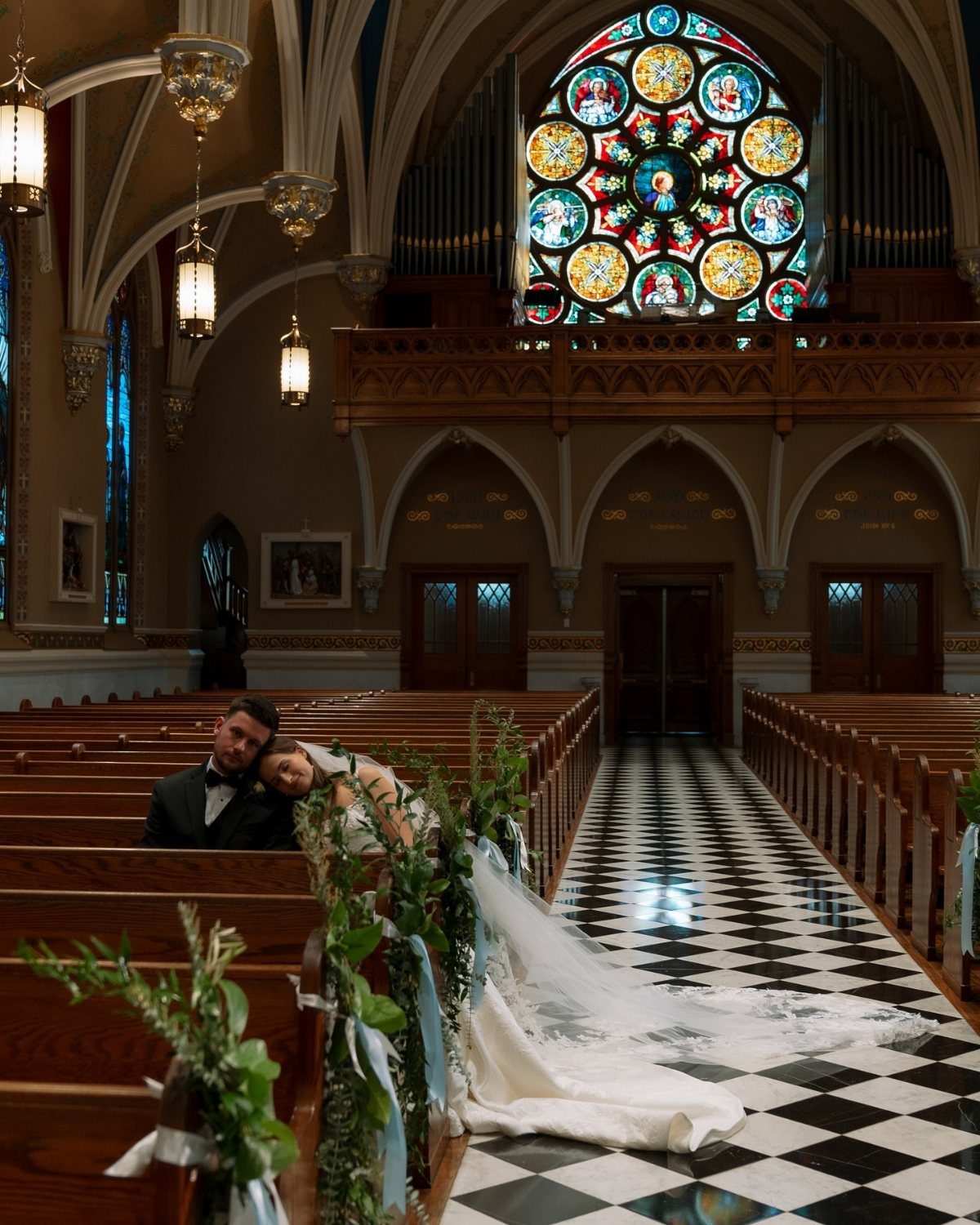
Wooden pews have texture that fabric needs. Letting your veil and train trail across a patterned aisle puts all the movement in the dress while you stay still against your partner.
Grand churches have rules. Some allow photographs only before the ceremony or only in natural light from existing windows.
Check this when you book, not the week before; a photographer counting on artificial fill may find it forbidden. Stained-glass windows in a cathedral supply color so the couple does not have to; the architecture carries that load.
If your own venue is smaller, the same pose works in a chapel with one good window; scale the frame to the space, not the other way around.
Choosing a Photographer
I booked my photographer early after looking at 6 galleries and crossing off anyone whose saturated, high-contrast work felt more fashion shoot than wedding. The photographer I chose had soft whites and skin tones that looked like people I knew.
Kathryn Cooper, whose work I studied, says understanding personalities matters as much as the light itself. Some couples want the kiss; for others, that gesture is not comfortable or permitted.
I made a short note of what I did and did not want photographed, and sent it well ahead of the day so it could sink in.
Sam Walker’s editorial approach brings location into the frame without posing the couple into stiffness; that balance of place and people was what I was paying for.
Ask yourself whether you want to look at these photos and remember how you felt, or how you looked. The answer narrows the field fast.
【VERSATILE WALL DECOR】: Add visual interest to a living room, bedroom, office, hallway, entryway, dorm, studio, or apartment with an expressive wall art poster made for modern interiors.

【VERSATILE WALL DECOR】: Add visual interest to a living room, bedroom, office, hallway, entryway, dorm, studio, or apartment with an expressive wall art poster made for modern interiors.

【VERSATILE WALL DECOR】: Add visual interest to a living room, bedroom, office, hallway, entryway, dorm, studio, or apartment with an expressive wall art poster made for modern interiors.
Capturing Emotion
The posed smile is the first thing to distrust in wedding galleries; it reads as performance every time. It sits on the face but nowhere else.
Sam Walker, a documentary photographer with over 300 weddings across five continents, shoots moments as priority over arrangements.
Kathryn Cooper works the same way.
Understanding what your couple finds beautiful, rather than imposing a standard, is where the emotion lives. Her candid frame of a bride mid-laugh carries more weight than any instructed dip.
I asked my photographer to stay loose during the ceremony itself, no calls for attention, no repositioning. The shots worth keeping are the ones where neither person knew the camera was there.
Lighting Considerations
Golden hour is not a mood; it is a window, often under an hour, when the sun sits low enough to soften shadows and warm skin without filters.
Kathryn Cooper schedules close-up portraits earlier, before hair, makeup, and suit shape shift.
She saves the playful, silhouette-friendly work for late light. At 2 p.m. on a hot day, she hunts shade or works the harshness into texture on purpose.
The sun dropped faster than I expected, and we lost 10 minutes finding the spot I had picked on a map but not walked.
Check your location at the same time of day a week ahead, not just the view but the actual light on faces.
The quality of the light matters more than the quantity.
Planning for Photos
I made a shot list of 12 items, not 50. Sam Walker warns against overthinking on the day itself; his priority is the important elements and everything in between, captured without constant consultation.
Two of my 12 were specific to our venue: the stone steps my partner walks daily, a tree we had planted together.
The rest were standard formats I had seen across galleries: the first look, the table setting before guests enter, the dance floor under string lights. I sent the list ahead of time, then did not mention it again.
Walker recommends living in the moment and trusting the photographer to carry the mental load.
I set my list as preferences, not commands, and let go of the ones that did not happen. The photos I forgot to request are not the ones I miss.